dearest yous,
digital crumbs here in response to those things you said, those things you sent, real material ways and a digital means. ‘i am sorry for the delayed reply’ prefaces so many of these formations, followed mostly by the mental hesitation for apologising too much. though it’s nice to hear ‘no need to apologise’ in response sometimes, it takes a sorry to get there. truly sorry for too many things.
lateness somehow psychologically necessitated a more involved response, if this so-called ‘publicness’ can warrant any more meaningfulness. actually i told Ḅ that what i like most here is the anonymous intimacy of passerby in public, because being an outmoded place, it’s hidden in plain sight, Emily Dickinson style. there was a period when i wrote little notes and left them in random places, too, and i found one a few years ago that didn’t get distributed, so sent it to Ẳ in the post along with a bunch of other random things, but i think the clutter of it all overwhelmed her, so there was not much conversation about it afterwards. at the time, her son could just fit the quarter-sized sample jacket i made in fashion school.
so many things need explaining.

and your faith astounds me sometimes. but i guess we still make (it) work. it’s perhaps not so dissimilar——nudity in public, intimacies for those who were never keen at p.d.a., the weaning separation from one’s body that is called a work.
Art is insufficient to narrate the inhumanity of history, because it is insufficient to explain it. Disaster is either explained by means of psychology, or the savagery of society is described as if it were a supernatural event; fascism is presented ‘as the machination of rackets outside society, not as the coming-to-itself of society as such.’
-from The Orpheus Double Bind: What Can Writing Save?, Nurdan Gürbilek

and what would you say to those that don’t watch films, don’t really read books, don’t dance? aren’t they terrible, those people, how are you going to explain it to them? how are you going to wish for them the thing that changed you and you don’t regret it not one bit, except all the times you fail to explain it to your stern mother or that person in power that you wanted to impress. you’re sorry.
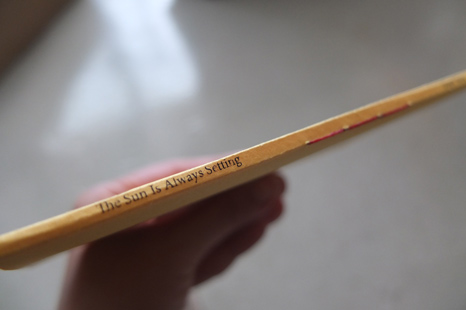
Åž, i like the digitised irony that your rooms reminded me of playing Hitchhiker’s Guide to the Galaxy, or growing up choosing my own adventure——though you don’t say ‘you’. but something like she says, it wasn’t birds but paper speaking——your real, material and actual post, Åž, so carefully bound by hand and sent to me across the Pacific just as you said you would, when most people don’t. and with that I have to tell you, unapologetically sorry, that I haven’t forgotten what I said I would send to you. it’s not ready yet, hopefully soon.
“Time the Great Healer (live at the Boston Museum of Fine Arts, 5 September 2006)â€, Cat Power
though today i put off work to deal with a number of personal matters. and really that is an irony as well, as if they were separate in these realms, you know what i mean, but again it’s something about still learning to explain after all this time, i have to reiterate myself and you to yous again and again, because you weren’t listening and in my anger i don’t hear myself. maybe you’ll say i have to listen more in order to be heard. maybe.
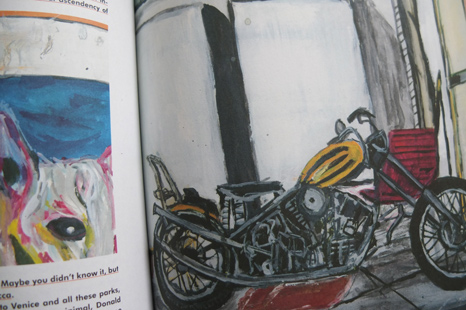
i like that the package from Ä´, one of the most dedicated in believing the romance of ‘art’ and ‘post’ all these years, came this time not directly from you but by the smooth spaces of guanxi through the editorial office of a magazine based in Spain. i like that you once fleetingly included me in one issue, and still hope that we’ll have that chance for a two-day dialogue over sidewalk beers some day.
“ピンクブッムPink Butch (ラララ Lalala)â€, マジカル・パワー・マコ Magical Power Mako
i like that an e-mail from È» seems so anachronistic amidst all of our other conversations online, that the tone differs by that very fact and that you’ve encouraged me thus to write poems in Chinese, like Ɀ also showed me, so simply, how line breaks make all the difference.
did i show you the poem he helped me to break?
æ¯ç•¶ä½ ä¸åœ¨ï¼ˆèº«é‚Šï¼‰ï¼Œæˆ‘念åŠä½ 的時候
總有許多的話,想è¦å°ä½ 說
è·é›¢æ…¢æ…¢ç¸®çŸï¼Œç©ºé–“å»è®Šå¾—
越來越厚é‡
æ–‡å—難以承載的那些話題
總與天氣有關
一種ä¸é–“狀態,它從來ä¸æ˜Žç™½ä½
或者是我
我們侃侃而談
談論愛
å»ç¸½æ˜¯ä¸å¤
— from the 視覺åšç‰©èªŒ Visual Diary Archive project “其人,其事:何京蕴 Just People, Just Timing: Anouchkaâ€
and for Ḅ, who joined us most recently and 那麼有è€å¿ƒ accompanied me 陪著我 so patiently on the å今天的山車 roller coaster of today:
Posted by 丫 | reply »
keeping it together
“What exactly do I mean, even, by ‘style’? Perhaps it is nothing but an urge, an aspiration, a clumsy access of admiration, a crush. On what? The very idea. Form and texture rescued from chaos, the precision and extravagance of it, the daring, in the end the distance, such as I think I could never attain. As much in a person, in a body, as in prose: those people who can keep it together. ‘I like your style’ means: I admire, dear human, what you have clawed back from sickness and pain and madness. I’m a fan, too much a fan, of your rising above. I overestimate your power, loved writer, beloved essayist. What is it I want from you? Not quite comforting. Consolation. Is it consolation? A model of how to survive? The worst, most painful truth spoken as eloquently – or is it as strangely – as possible. The vantage it seems to me you have acquired. Of course I admire it because it seems to take you as writer, me as your reader, closer to the truth. By indirection find direction out. And so on: other clichés of the writing life. “ The problem essentially is this: I want control, and I want to let go, but neither in itself is art, and how on earth do you find a way between, a way to direct all of this ecstasy and ache? And still not lose it? (Virginia Woolf on essays: ‘Never to be yourself and yet always – that is the problem.’) Is there some combination possible of form and the formless that would achieve what I want to achieve? Is that not merely another name for compromise?â€
From Essayism by Brian Dillon
Posted by f | reply »eliminating poverty
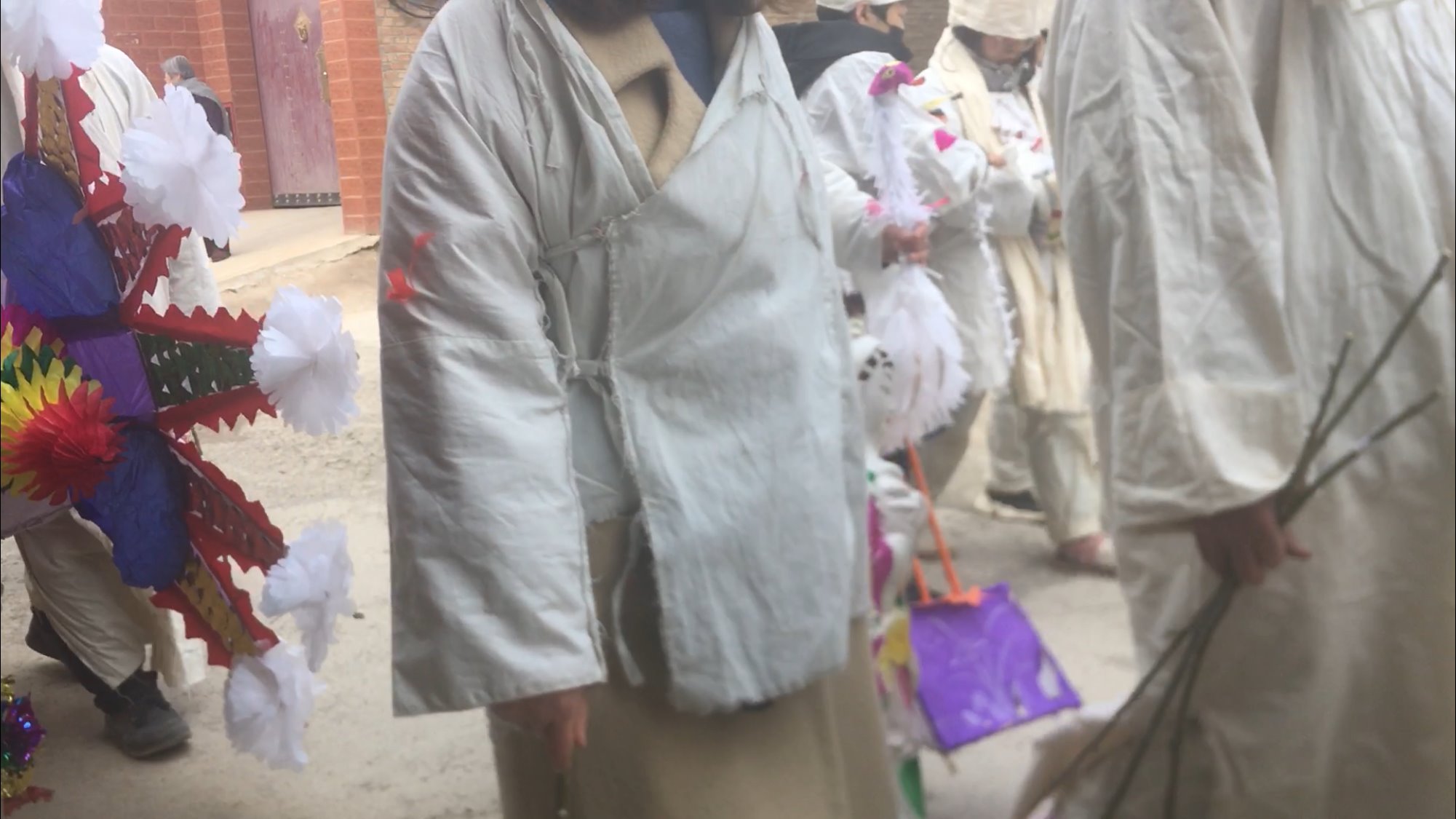
i went to a funeral today in my village with a cousin. she is his relative and died in hunger and coldness and illness two days ago at home. in her early 50s. the widow had spent months on bed alone, and was given a bun twice a day, later once a day, by her brother who is also poor and unable to do more. a few months ago, she almost died in a similar situation, but survived to the surprise of everyone. some villagers said given her situation, death is finally an end of her suffering and perhaps it is better this way. some said she had a soft temper. some said she was lazy and slow. some said she suffered from alzheimer’s along with mental issues.
three years ago, her husband went to a government office in the city with two boxes of apples as gift to apply for state benefits. on his way back home he fell to the ground. he was taken to hospital and doctors said it was hemorrhagic stroke and asked for RMB 5,000 to do the surgery. relatives were called one after another. it was only late at night when one relative finally showed up ready to pay. doctors did a CT scan and found his brain was already flooded with too much blood to do anything. he died.
the couple had been living in an old yard with no walls, full of overgrown weeds, and basically only one room with a bed. they had adopted a daughter from her sister from another village when the girl was around ten. but they were not able to pay her education and living costs and her sister paid. later her sister cannot afford either and the girl dropped out and went to work in the city. they devoted much love to the daughter but she felt ashamed of their poverty and hoped to have nothing to do with them. the daughter went back to her biological family and did not care very much for them. so today is certainly the last time she is in this village. it is also the end of a whole household, a family.
my cousin said the way poverty was “eliminated” here is often by cancelling the recipients’ poverty status in documents, which results in recipients receiving even less benefits. some villagers said in these two years the government offered subsidies for electric heaters so that many households had bought and installed it for just 200 yuan, including this household. previously villagers used coal, which became illegal in recent years for environmental reasons. but many families find the electric bill too expensive and rarely use it in winter, including the two old relatives i visited today who did not even know where is the on/off button.
the funeral was simple, not heavy, and cost only a few thousand yuan. my cousin, along with another relative, left before the procession took the coffin to the field for burial, partly because they were busy and partly because they knew the meal provided at the end of the funeral, which is the local custom, would not be a feast and probably wouldn’t even contain any dish with meat.
— posted with permission from an original text by Pop,
2020年12月17日,早上07:55
dopamine pathways â„–2
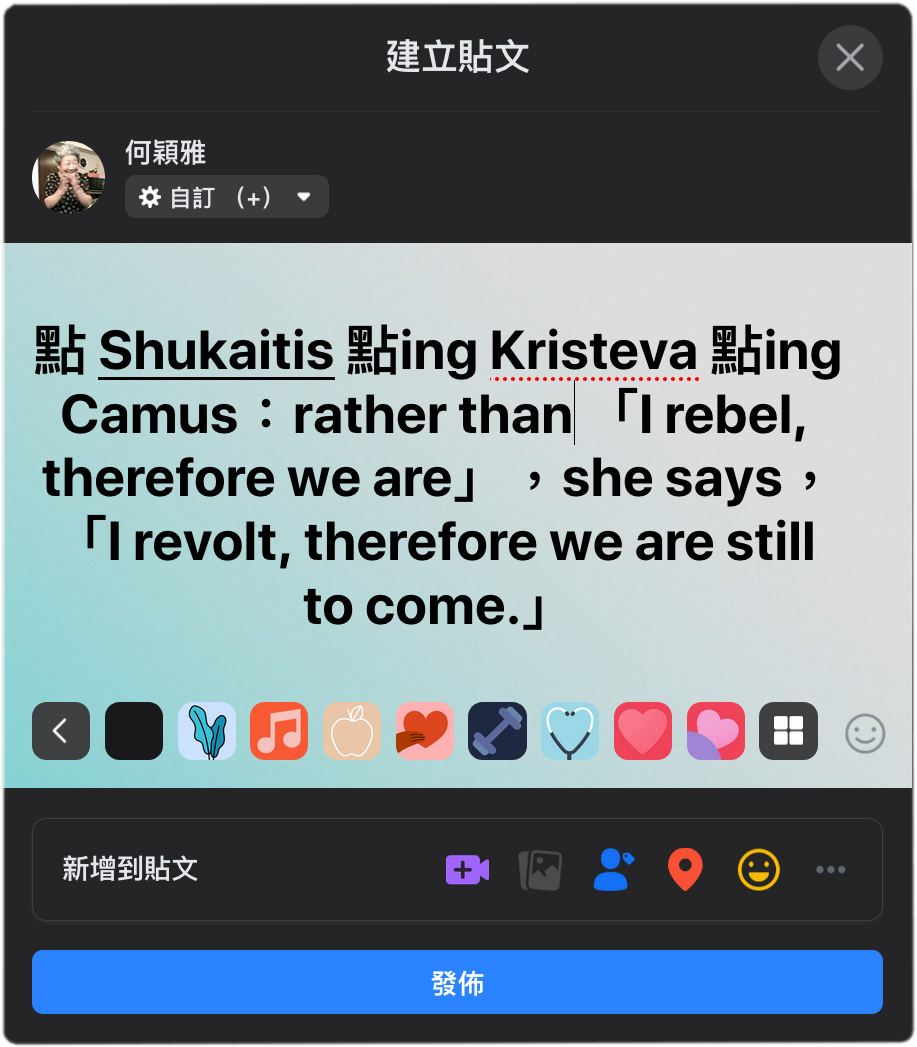
— from Imaginal Machines, before that Revolt, She Said, before that The Rebel
Posted by 丫 | reply »Textual Notes PWSSSRFS…
(there are reasons to think about my body and hygiene these days)
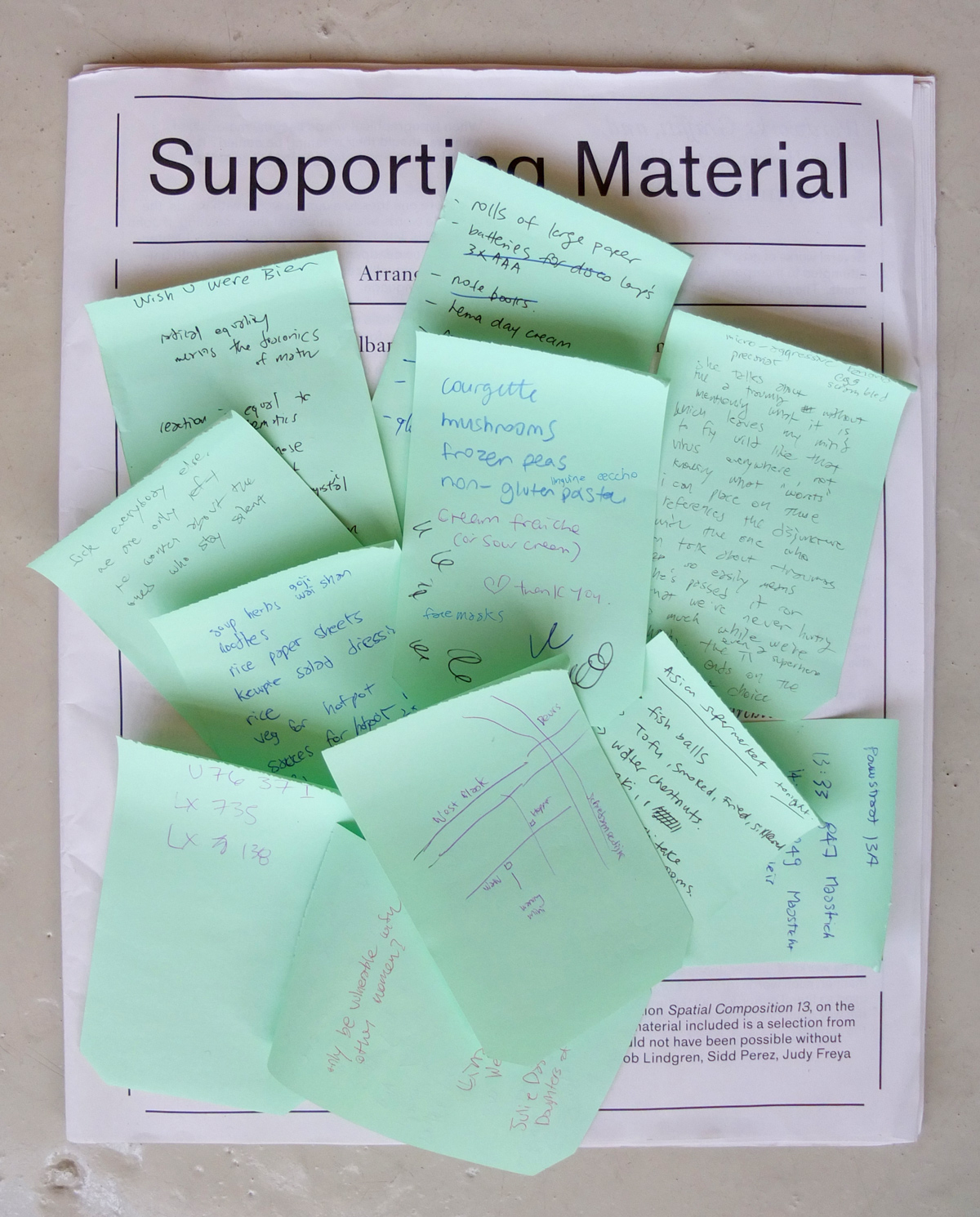
— Notes taken while on residency with Amy Suo WU at Motel Spatie; Arnhem Presikhaaf, 2020 January-February
In the time of that sojourn, a surface wound that stayed the entire time, irritated, flaming and hardened so much that it was narrated from being the oddity of a pimple on my hand to the paranoia of a wart-like abscess. It accompanied me during our conversations like a replacement for the biting of nails which had accompanied me since childhood, the extra psychosomatic conversation with myself to harmonise and discord with any other conversations going on in the room. And we spoke about intersectionality.
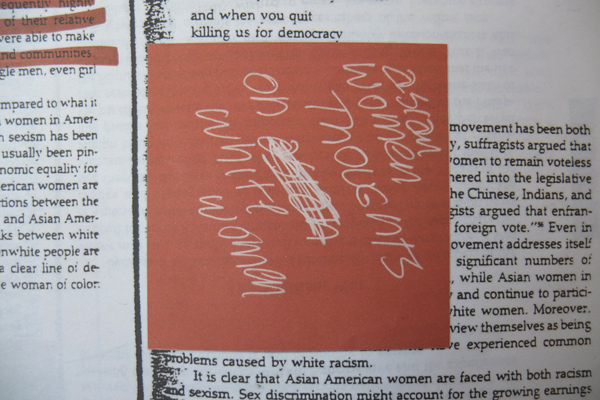
— from “Worlds in Collision: Multicultural Art History (Selection)” by Carlos VILLA, from Supporting Material by Celine CONDORELLI
I picked at it, making it bleed and scab over more than once, wondering if this would be the lifelong marker with which to remember this time. Other people get tattoos for such occasions, but somehow for me bruises, scars and mosquito bites were always enough. Sometimes I liked to think about the tiniest bit of spittle from an insect you never saw being smuggled transnationally, at peak seasons such that your body could carry two nationalities of mosquito saliva at the same time, recognisably different by the radius of red and degree of itch.
It was only a surface. But as my skin-scoring became manic, I remembered one of the first meals we shared together, when we were happy to find a few pairs of disposable chopsticks in the otherwise fork-and-knife-loaded space. A bit too brashly did I rip apart the two sticks and rub their ends together so as to smooth the rough edges in the way that we had learned, and somehow a little bamboo splinter had lodged itself into the meat between the thumb and forefinger of my right hand. This is the pressure point you are supposed to massage in order to release anxieties, and so it was that this residency——initially planned as an artistic labour——unfolded into my body subversively with a small army of histamines hardening a point known as åˆè°· hégÅ, or LI-4. Like a pain to help release pain.
I had been telling everyone that it had been such a difficult year for me, or for most people in my context, rather, but now, when I had limited this sabbatical purposefully to run back into the fire, that heat seemed to flake away into something much more quietly insurrectionary, like the last hibernation before the end of the world. What were we gathering amidst these stories and meetings, me picking self-consciously at a surface wound on the back of my hand and scheming in those vague ways afforded by poetry? Would it be possible to be productive about this care in letting go, somewhere in between concern and a manic extraction of the conversation one has with oneself, parasiting off of the glimmers of knowledge and joy and jealousy of these people around me. So many intensities.
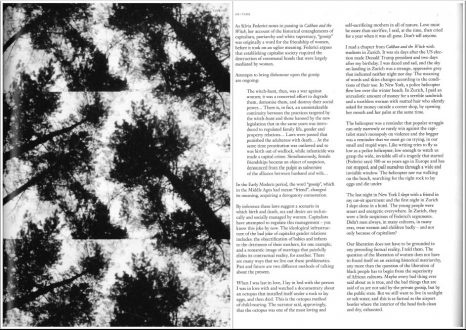
— “Witch-hunt: gossip has always been a secret language of friendship and resistance between women”, Hannah BLACK
In many parts of the world, women have historically been seen as the weaver of memory——those who keep alive the voices of the past and the histories of the communities, who transmit them to the future generations and, in so doing, create a collective identity and profound sense of cohesion. There are also those who hand down acquired knowledges and wisdoms——concerning medical remedies, the problems of the heart, and the understanding of human behaviour, starting with that of men. Labelling all this production of knowledge ‘gossip’ is part of the degradation of women——it is a continuation of the demonologist’s construction of the stereotypical women as prone to malignity, envious of other people’s wealth and power, and ready to lend an ear to the Devil. It is in this way that women have been silenced and to this day excluded from many places where decisions are taken, deprived of the possibility of defining their own experiences, and forced to cope with men’s misogynous or ldealised portraits of them. But we are regaining our knowledge. As a woman recently put it in a meeting on the meaning of witchcraft, the magic is: “We know that we know”.
— Witches, Witching-hunting and Women, Silvia FEDERICI
Among you, it becomes difficult to compare all that has been said to all that has not been said. All of these conversations. And these words are a conversation with those conversations, if not simply out of a question of translation but out of the need to make space for myself in this constellation of you(s) and me(s). To ascertain, like that book I took from your bookshelf: Feelings are Facts. We(s) would need to meditate through hours and hours of these discourses in order to sift though the medley of feelings that make up this moment, and that is a fact, too. Yes, as the witches say, “We know that we know“.
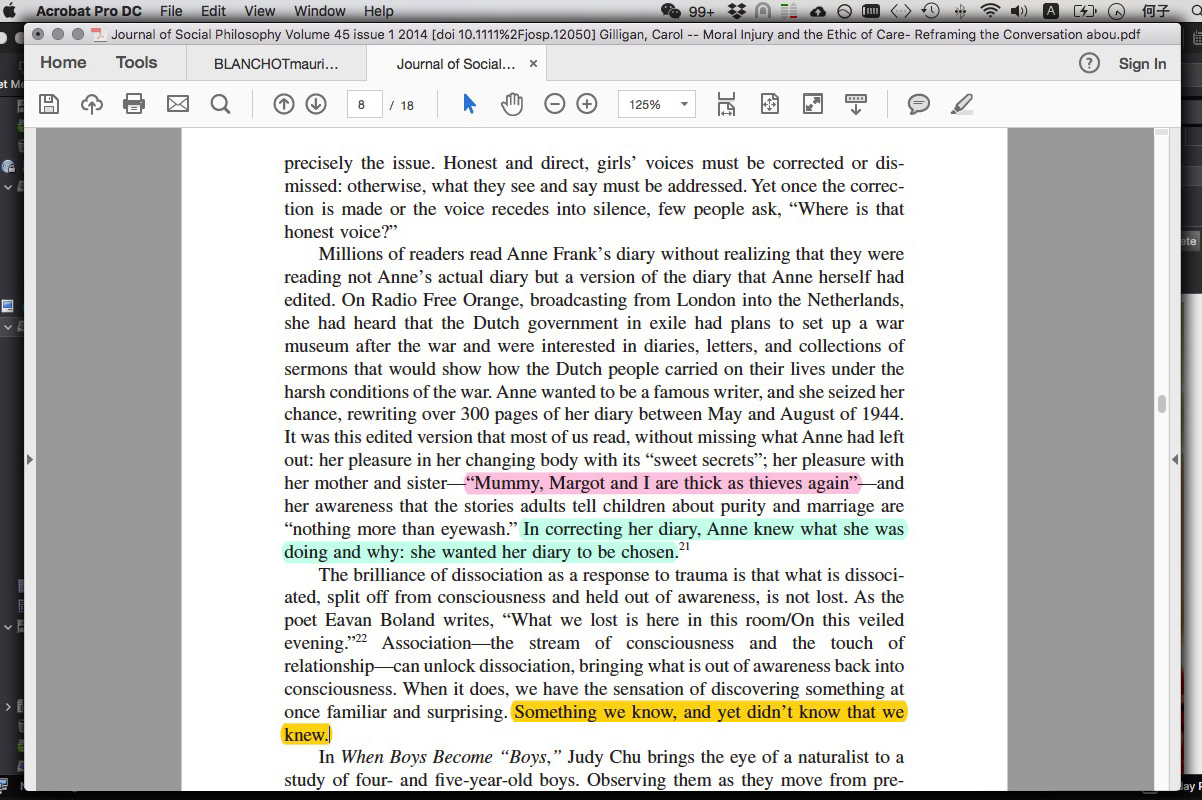
— “Moral Injury and the Ethic of Care: Reframing the Conversation about Differences”, Carol GILLIGAN
And maybe I know too many things. My head is filled with all sorts of banalities like the facial expressions of strangers and the taste of your favourite Grüner Veltliner and the prick of winter mosquitoes. Like the approximate sojourn of a piece of shit that appeared a few days after I arrived. It was the lack of anyone’s care to remove it from the narrow path between our residency room and the project space, making it such that you took the long route around every time, while I forged ahead to play hopscotch. I had the forethought that this dog I never saw had left the natural wastes of its circulating body just like the mosquitoes, and perhaps I should bring other contraband back this time as another memento of my stay. But an uncared-for poop was just a parallel temporary visitor like us to this space motel, and the day before I departed, what were now like hardened coal nubs finally blew away with that strange storm of not very much rain. Perhaps its winds were so great it blew its own rain away, a storm having a frightening conversation with itself. Its utterances came out like screeches and gales that shook the glass of our cove. From inside, we lifted our heads up in awe, and when we went outside we walked at strange angles with our heads down, pretending not to overhear. Buddha was also blown violently away that day, falling off of a neighbour’s balcony and left as an Asian corpse shattered in the white neighbourhood. In the beginning I kept thinking we would have been a strange sight here, our little crew, but actually there was nobody around most of the time, and we were left to play on our own like children at the slumber party. We stole time that way, turning their money and our own productivity into a space for taking care. Even so, I walked on that shit at least once, but you took time, and we cleaned up our tracks together. Self-quarantine, if you want to call it——I gained ten kilogrammes, too——but something else feels lighter because I know we had taken it on together. This takes space and so it was that ‘project ruimte’ was exactly that, not as the space for projects but a project to make space, as a fact of feelings between us——to read together with long pauses in between, to write letters from near and far, and to eat and resist the fallen communality of a shared meal out of one bowl. To be together and trust in someone else’s voice to guide when our eyes are closed.
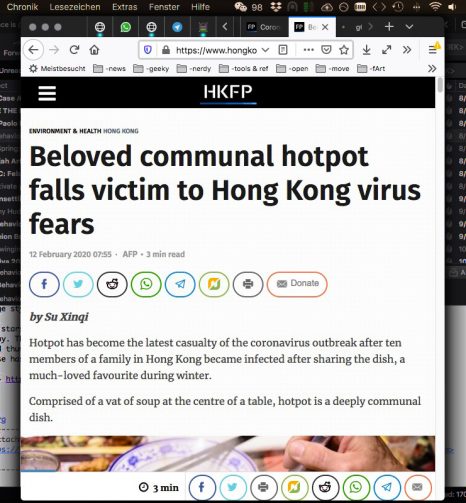
I don’t know yet how to bring this space into visibility. And maybe it doesn’t have to, except as mischievous glances and giggles between those of us who know, and even if you don’t see us you will feel the smiles in our voices in that space behind your ears and in front of your neck——a tingling somewhere between an itch and a tickle to make chords and discords in you, too. Take care.
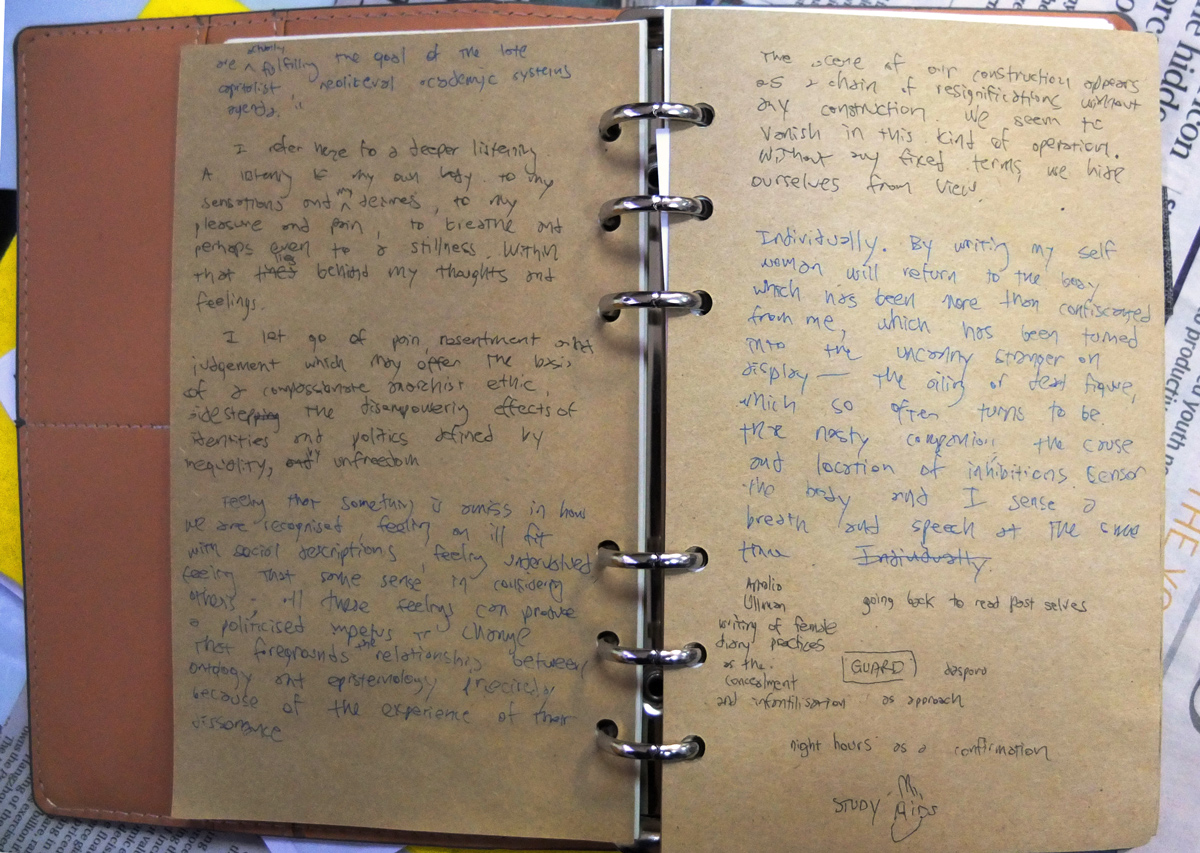
— Altered quotations and notes taken from the afwasdoekje reading group, PWSSSRFS No. 1, 2020 January 25
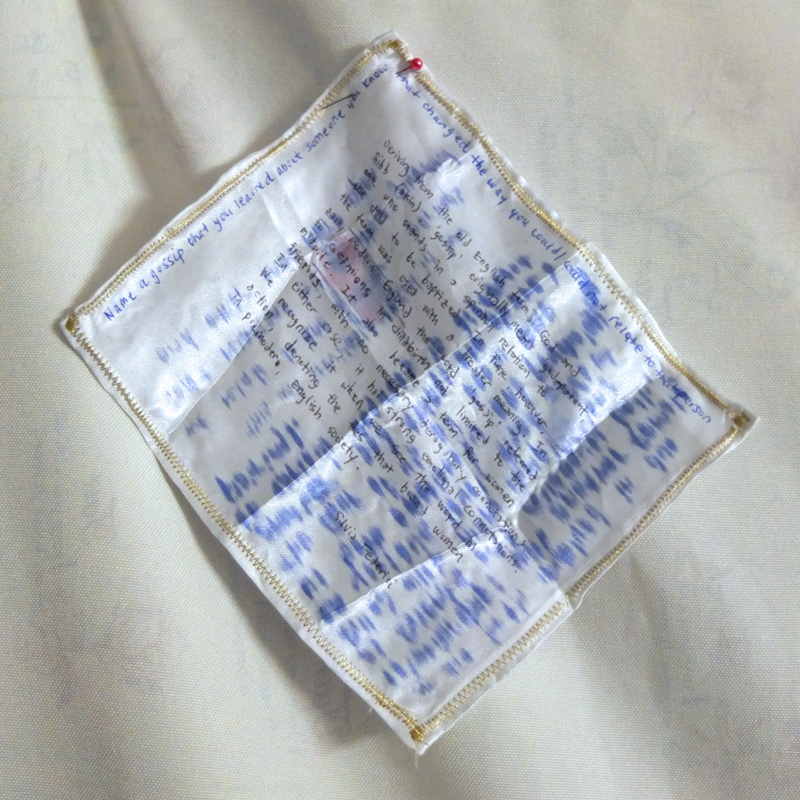
notes for the academy of failure, 25-27 May 2018 and a slew of logos to support
“Illegibility, then, has been and remains a reliable source for political autonomy.”
- James C. Scott, Seeing Like a State: How Certain Schemes to Improve the Human Condition Have Failed (1999)
it’s an easy preemptive manoeuvre, maybe as a way of saving face, because we have been so institutionalised that consciousness becomes a way of negating the negation. “let me tell you i’m a loser, let me tell you before you find out for yourself, and you can never get me.” what does it mean to precede and gestate one another?
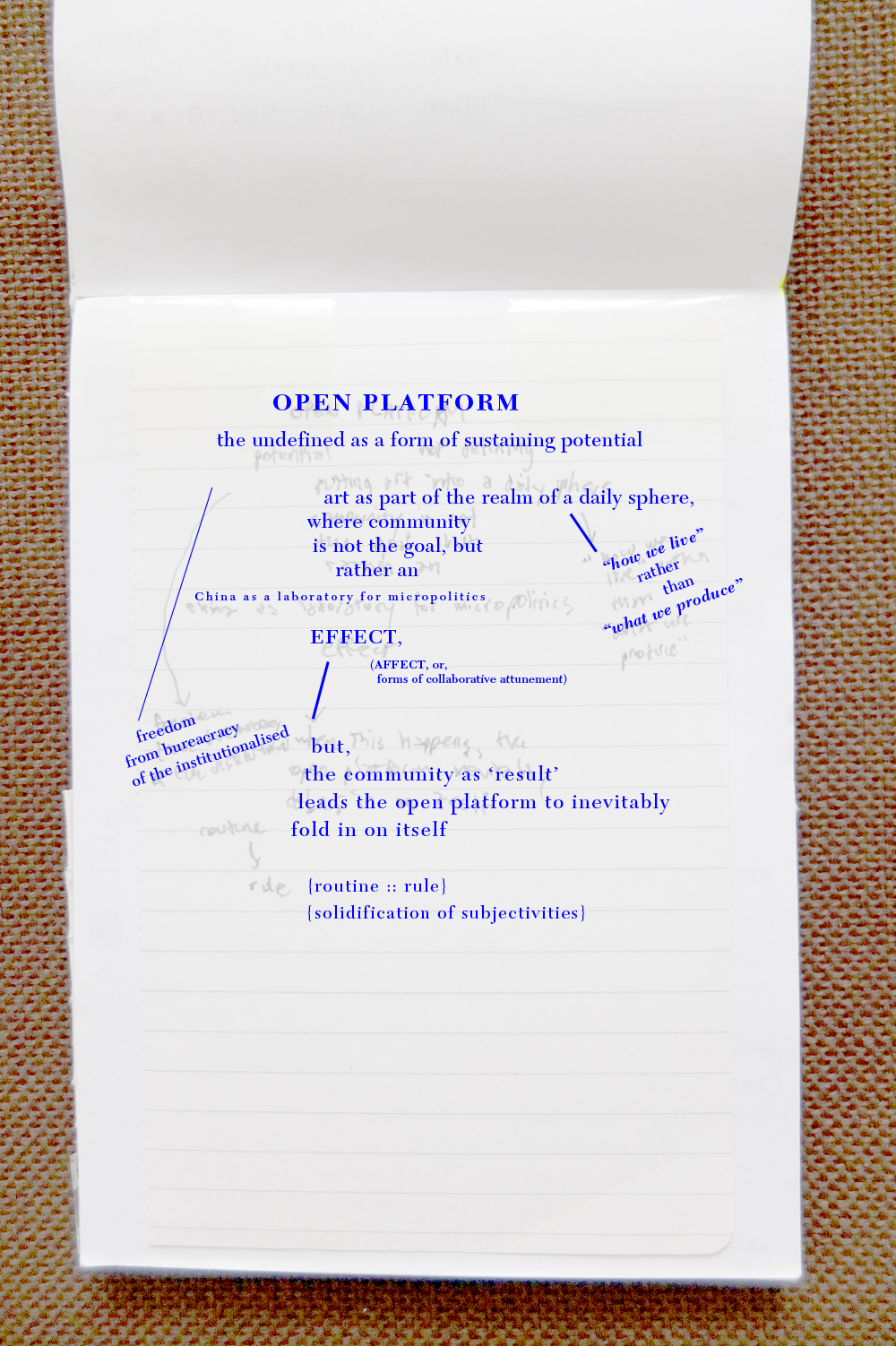
if preceding was a manner of not being defeated by you (insertion of Super Mario anecdote here), gestation was a stalling grammar of potentiality, latent and shadowy, unbecoming. but how do we unbecome one another, with one another?
he says “æ¬ ” appears only when ego exists, but really i didn’t mind feeling indebted to you. the hat was out, and i wanted to ask you a favour because i knew you could ask me any time, even if you didn’t. i wanted you to know that i owe you a lifetime. that was my way of staying connected to you. it was only a pity that after i thanked you for that one, you simply left, without a thought in your mind. i was hurt and angry, i am hurt and angry …because i thought you owed me an apology? fuck!
we’re back to the peculiarities of voice, i guess (play with the pronouns)
“S. loved the paintings, but as she was praising them, she knew they didn’t stand much of a chance in the art world. If R. made the same work but was twenty years younger, had different friends and used different words to describe them, they would be viable.”
- Chris Kraus, Absolute Love (2016)
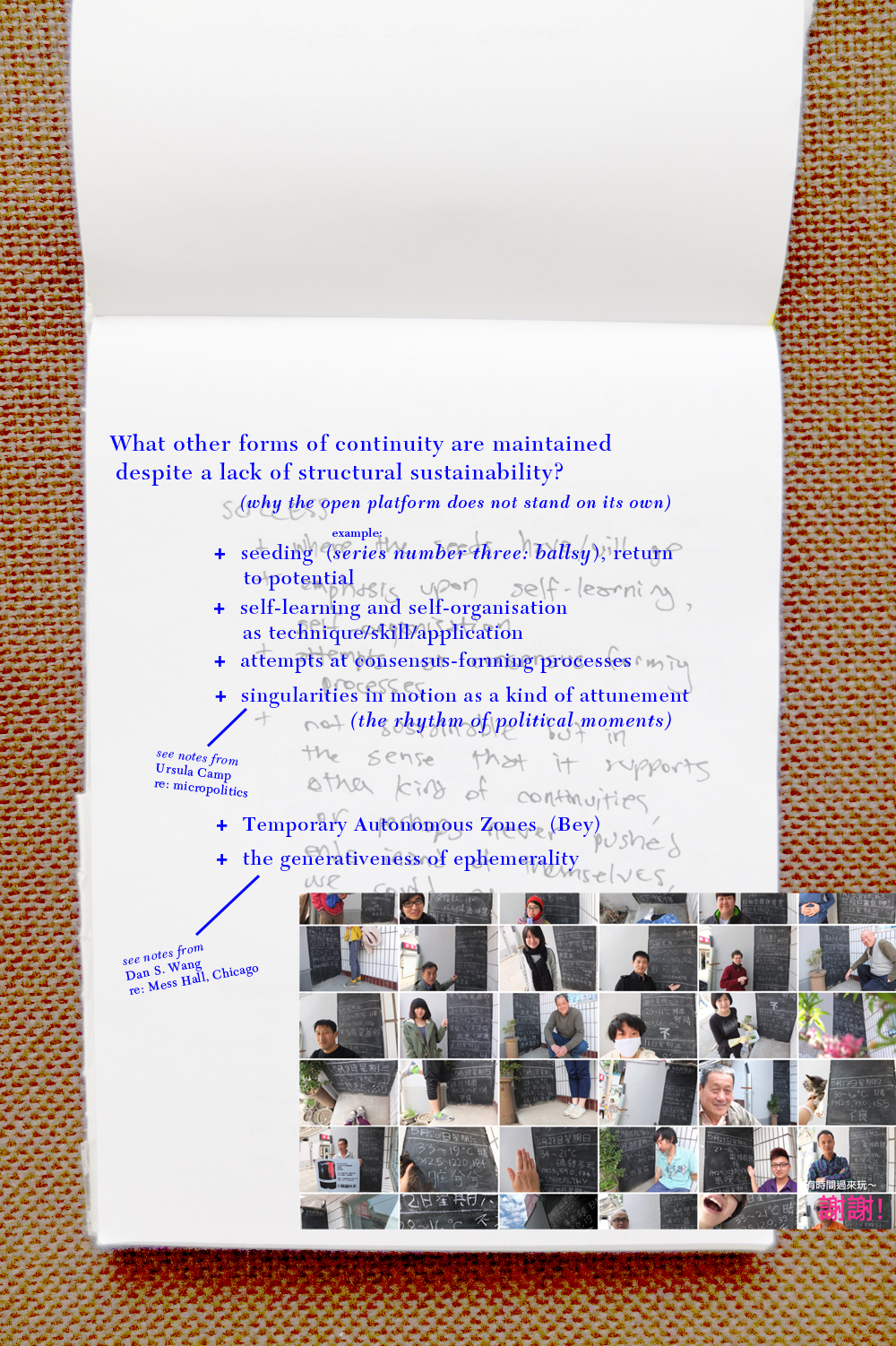
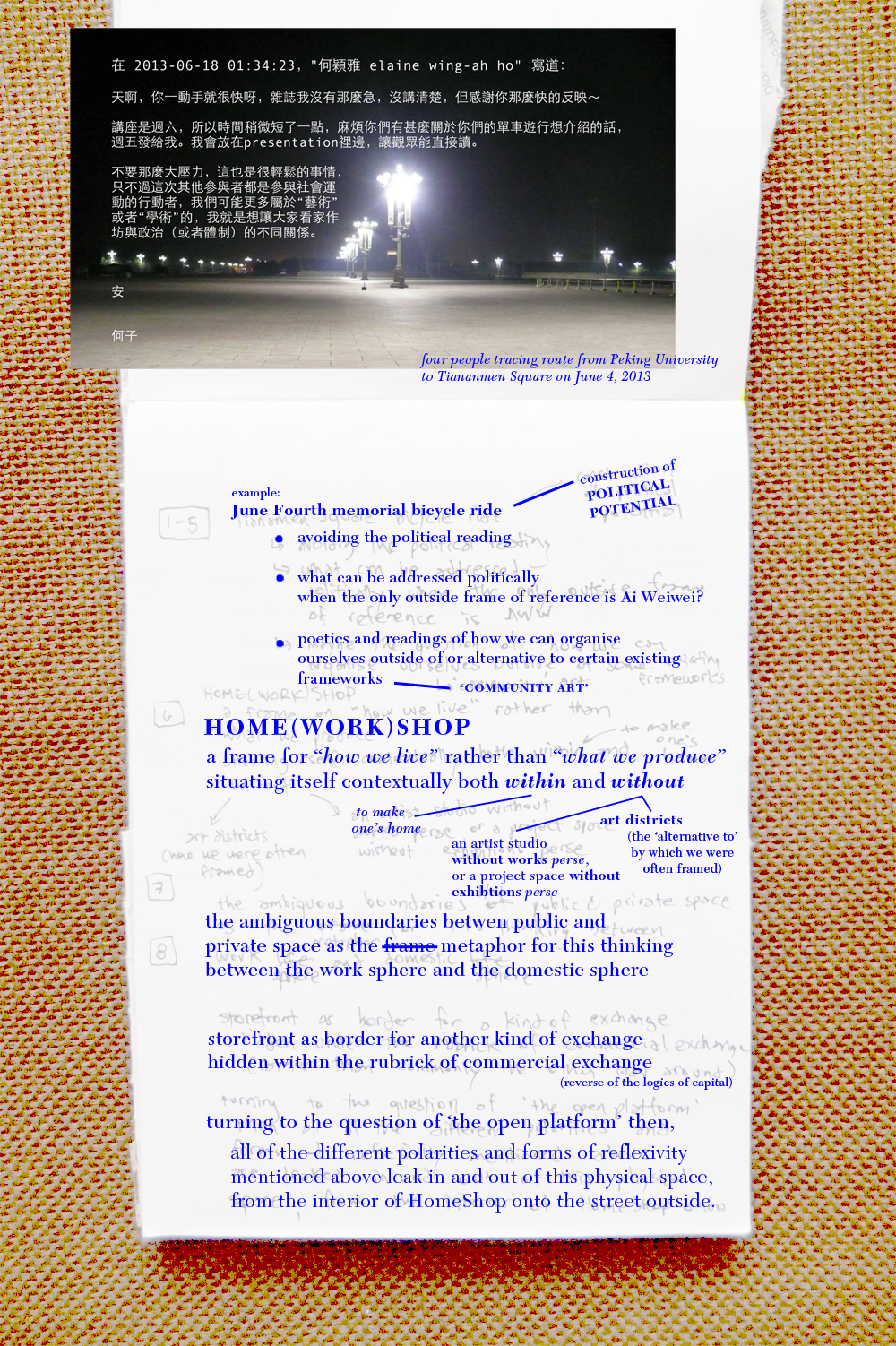
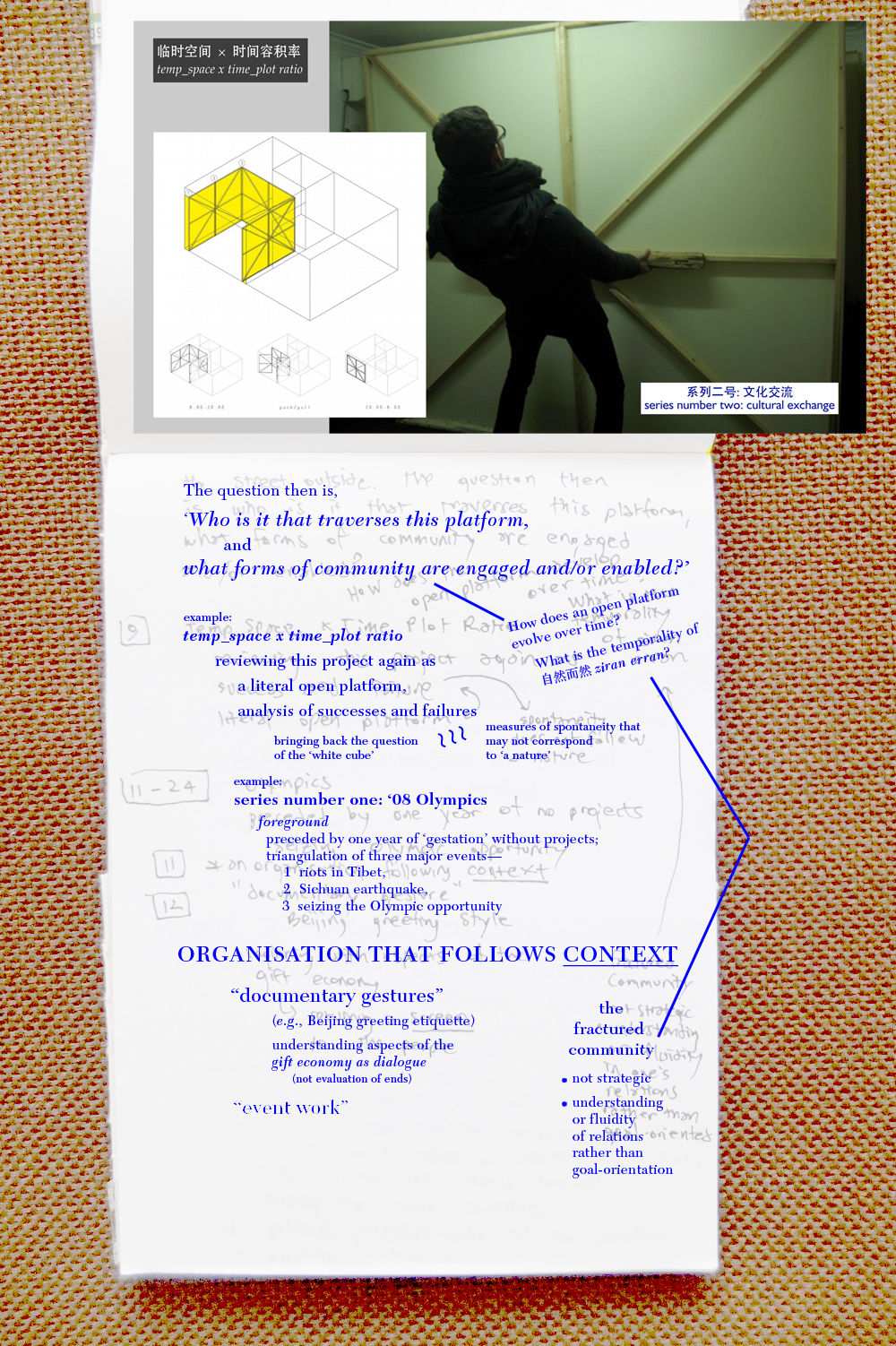
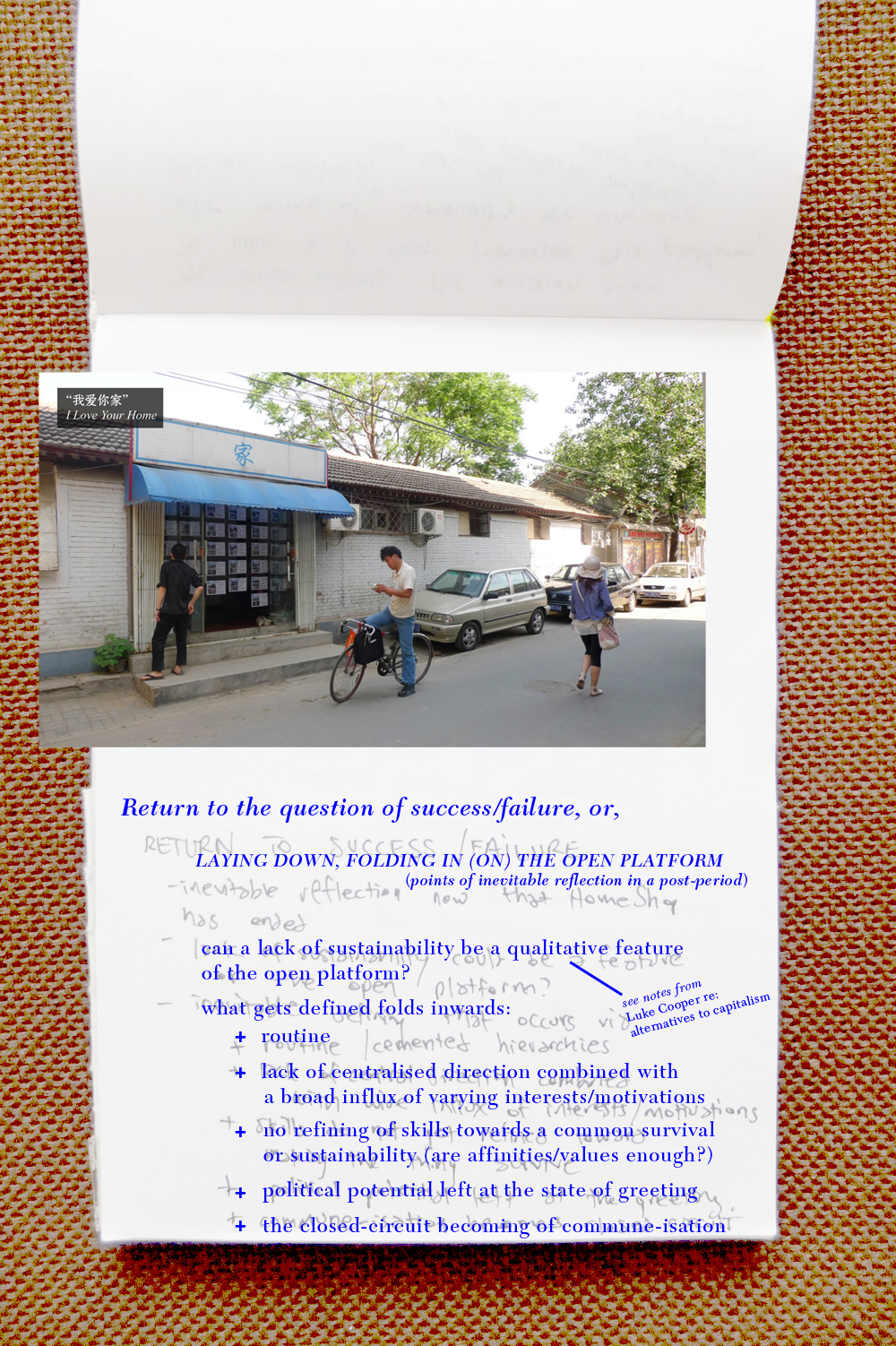
images above from notes initially taken to prepare for a talk given at the Collaborative Studies Program (CSP), organised by the Asian Culture Research Institute (formerly known as Asian Culture Information Agency in Asian Cultural Complex), Gwangju, South Korea, August 2014. This overloading of prepositions recontextualises a later refabrication of the notes into jpeg images called “(An) Open (and) Failure”, part of Squatting Knowledges: Failure/s in a constellation and as a tribunal, curated by DiscLab Research and Criticism (November 2014 until an unknown date when the site was removed from the world wide web for reasons not known)
ï¼ï¼ï¼
何穎雅 Elaine W. Ho will be an adjunct lecturer at the Academy of Failure: Pedagogies for the Unsuccessful, 25-27 May 2018 in Beijing, PRC.
gnomic notes on a dialogue

before and after the mooon, a process of reading and writing
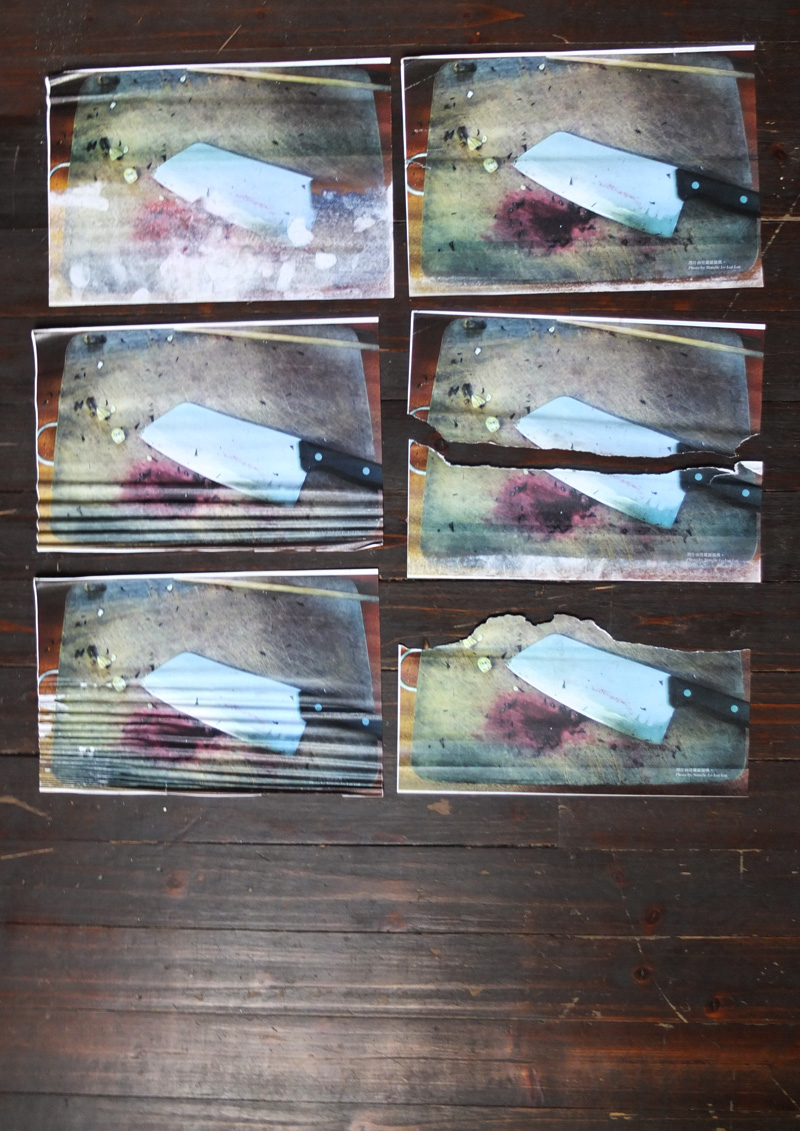 about one month ago, these knives killed the photocopy machine. i was unsettled where they ignored and just kept on working. and then just a few days ago, the moon sliced my computer in two. in all of these aftermaths, yes——”keep working”, they said. though i was thinking of you.
————————
————————
————————
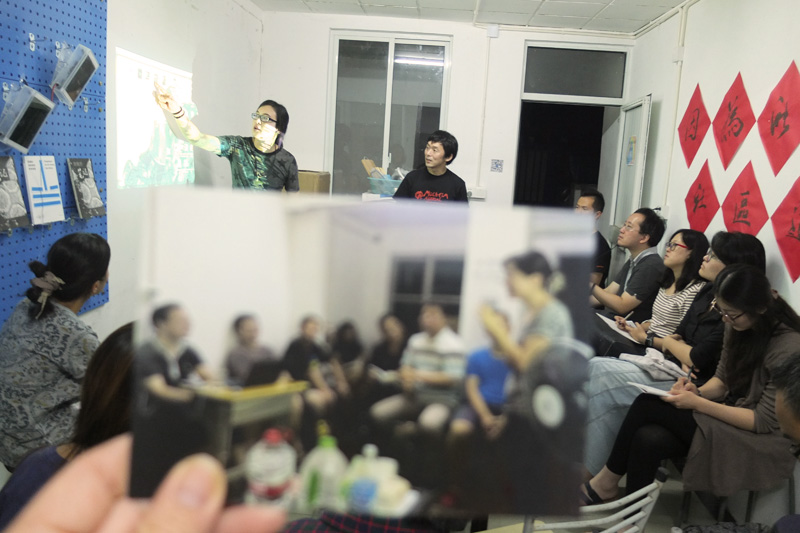 fashionista
 sports babble
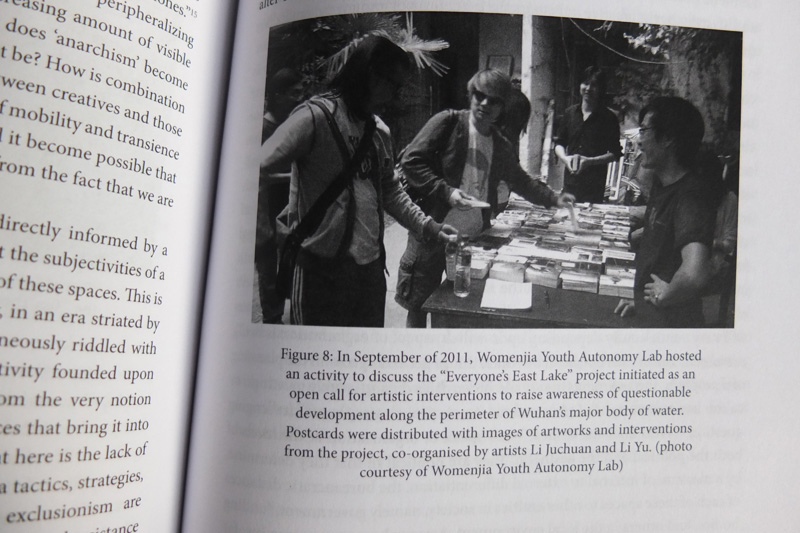 your doctorate
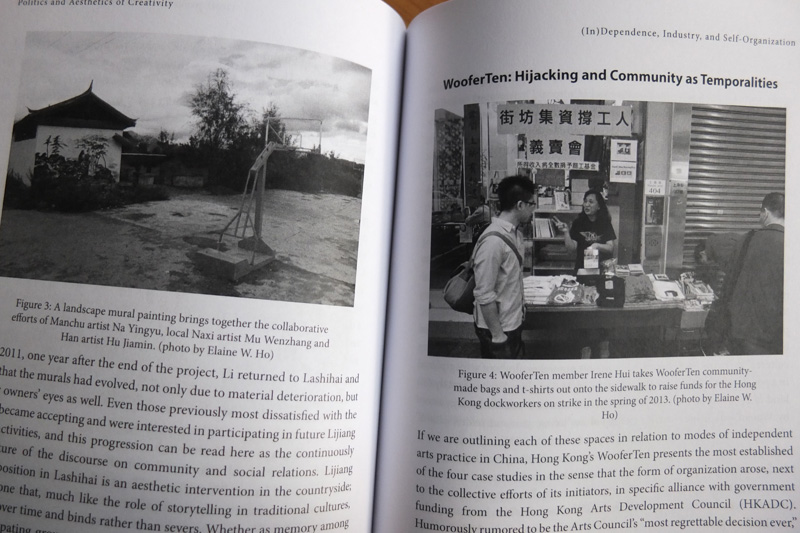 irene
irene
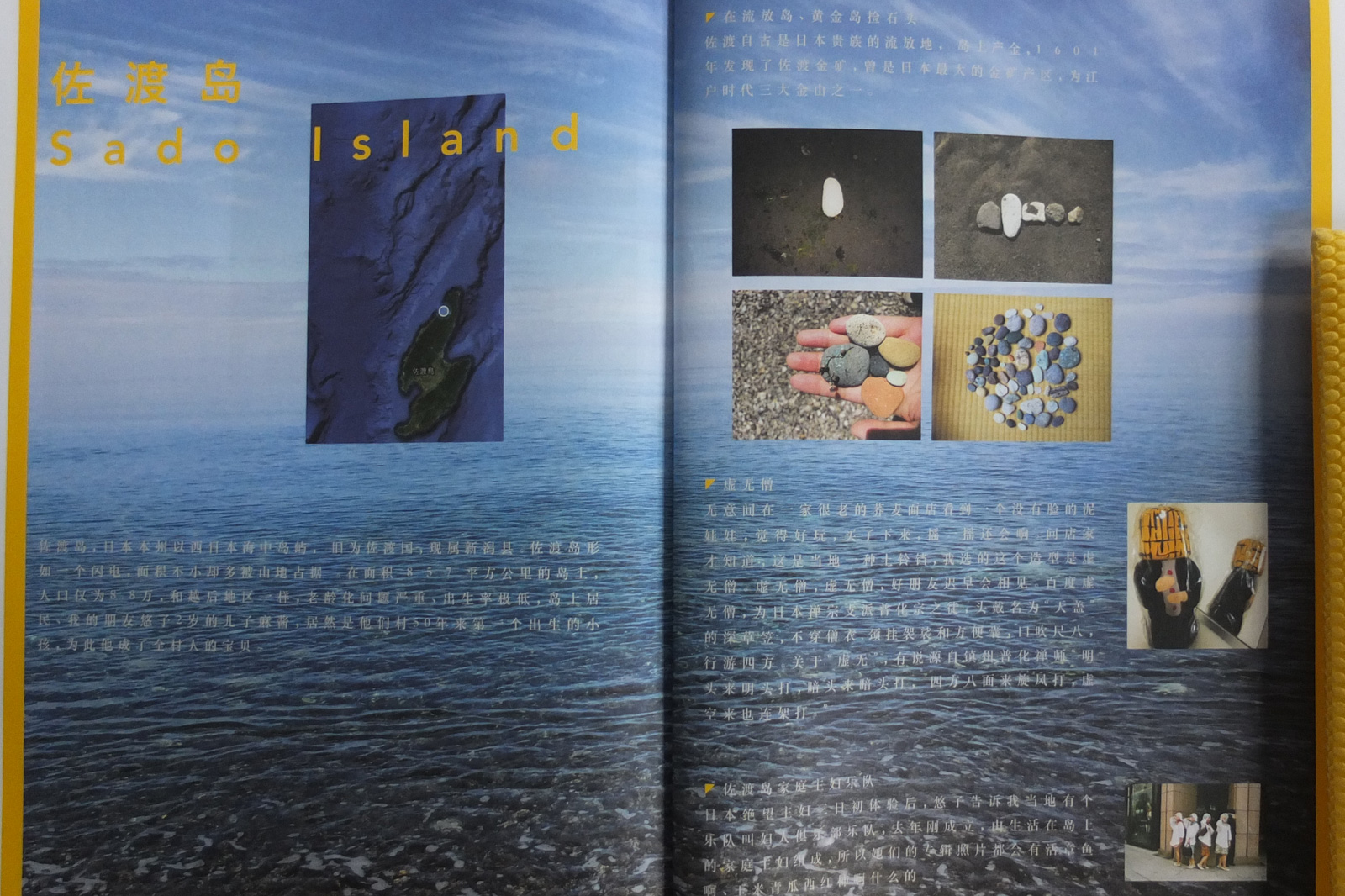 she was this close to you
 like divination
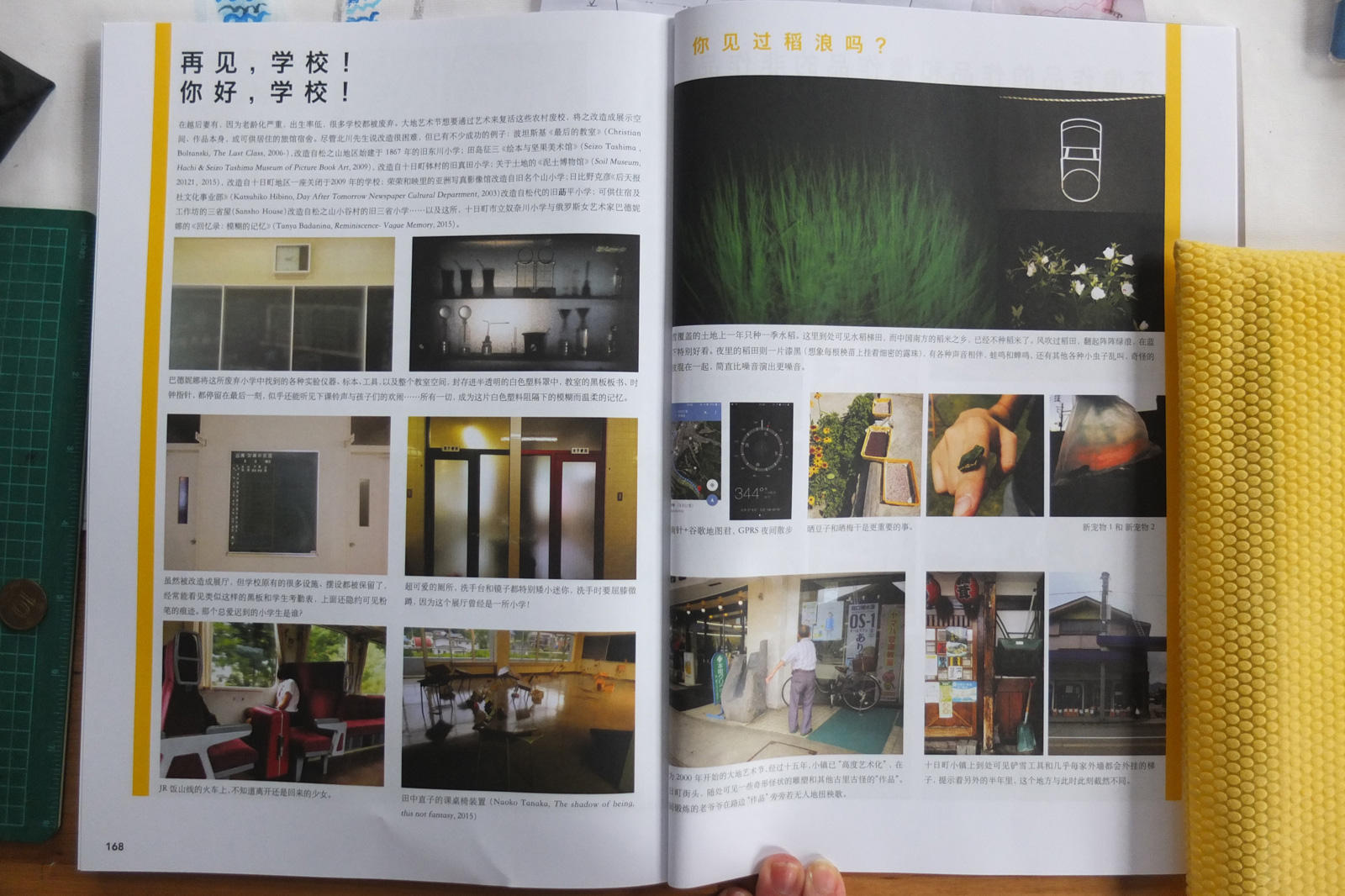 generating,
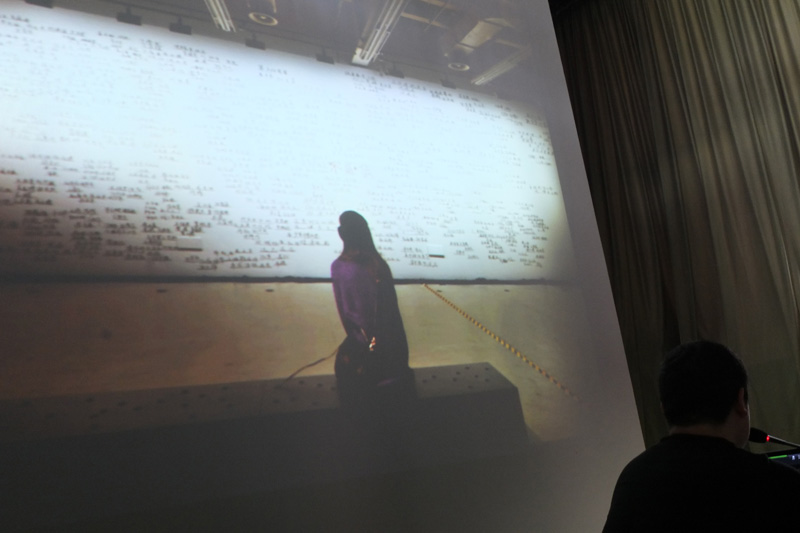 the one who lost interest
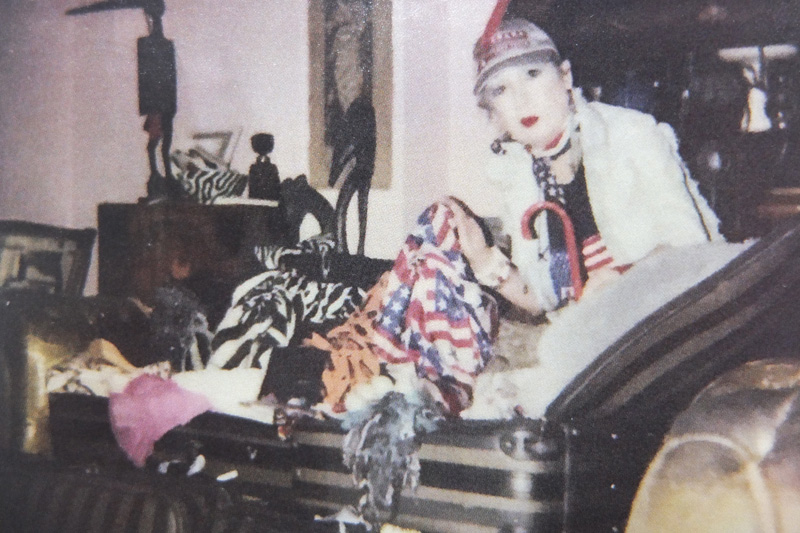 please come over
|
.
|
rss 2.0 | feedburner | del.icio.us |
|
.
|
this work is licensed under a Creative Commons Attribution-Noncommercial-Share Alike 3.0 License. |
|
.
|
site by orange 程康 and ourwork.is. |
|
.
|
best viewed with your character encoding set to unicode utf-8. |
