dearest yous,
digital crumbs here in response to those things you said, those things you sent, real material ways and a digital means. ‘i am sorry for the delayed reply’ prefaces so many of these formations, followed mostly by the mental hesitation for apologising too much. though it’s nice to hear ‘no need to apologise’ in response sometimes, it takes a sorry to get there. truly sorry for too many things.
lateness somehow psychologically necessitated a more involved response, if this so-called ‘publicness’ can warrant any more meaningfulness. actually i told Ḅ that what i like most here is the anonymous intimacy of passerby in public, because being an outmoded place, it’s hidden in plain sight, Emily Dickinson style. there was a period when i wrote little notes and left them in random places, too, and i found one a few years ago that didn’t get distributed, so sent it to Ẳ in the post along with a bunch of other random things, but i think the clutter of it all overwhelmed her, so there was not much conversation about it afterwards. at the time, her son could just fit the quarter-sized sample jacket i made in fashion school.
so many things need explaining.

and your faith astounds me sometimes. but i guess we still make (it) work. it’s perhaps not so dissimilar——nudity in public, intimacies for those who were never keen at p.d.a., the weaning separation from one’s body that is called a work.
Art is insufficient to narrate the inhumanity of history, because it is insufficient to explain it. Disaster is either explained by means of psychology, or the savagery of society is described as if it were a supernatural event; fascism is presented ‘as the machination of rackets outside society, not as the coming-to-itself of society as such.’
-from The Orpheus Double Bind: What Can Writing Save?, Nurdan Gürbilek

and what would you say to those that don’t watch films, don’t really read books, don’t dance? aren’t they terrible, those people, how are you going to explain it to them? how are you going to wish for them the thing that changed you and you don’t regret it not one bit, except all the times you fail to explain it to your stern mother or that person in power that you wanted to impress. you’re sorry.
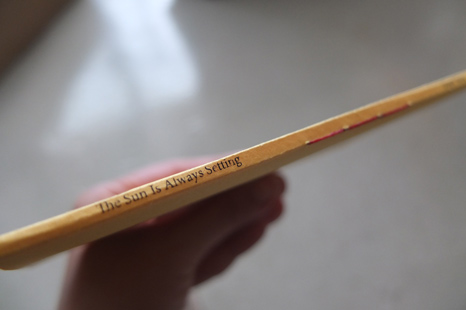
Åž, i like the digitised irony that your rooms reminded me of playing Hitchhiker’s Guide to the Galaxy, or growing up choosing my own adventure——though you don’t say ‘you’. but something like she says, it wasn’t birds but paper speaking——your real, material and actual post, Åž, so carefully bound by hand and sent to me across the Pacific just as you said you would, when most people don’t. and with that I have to tell you, unapologetically sorry, that I haven’t forgotten what I said I would send to you. it’s not ready yet, hopefully soon.
“Time the Great Healer (live at the Boston Museum of Fine Arts, 5 September 2006)â€, Cat Power
though today i put off work to deal with a number of personal matters. and really that is an irony as well, as if they were separate in these realms, you know what i mean, but again it’s something about still learning to explain after all this time, i have to reiterate myself and you to yous again and again, because you weren’t listening and in my anger i don’t hear myself. maybe you’ll say i have to listen more in order to be heard. maybe.
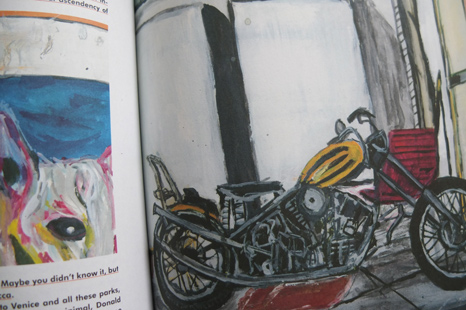
i like that the package from Ä´, one of the most dedicated in believing the romance of ‘art’ and ‘post’ all these years, came this time not directly from you but by the smooth spaces of guanxi through the editorial office of a magazine based in Spain. i like that you once fleetingly included me in one issue, and still hope that we’ll have that chance for a two-day dialogue over sidewalk beers some day.
“ピンクブッムPink Butch (ラララ Lalala)â€, マジカル・パワー・マコ Magical Power Mako
i like that an e-mail from È» seems so anachronistic amidst all of our other conversations online, that the tone differs by that very fact and that you’ve encouraged me thus to write poems in Chinese, like Ɀ also showed me, so simply, how line breaks make all the difference.
did i show you the poem he helped me to break?
æ¯ç•¶ä½ ä¸åœ¨ï¼ˆèº«é‚Šï¼‰ï¼Œæˆ‘念åŠä½ 的時候
總有許多的話,想è¦å°ä½ 說
è·é›¢æ…¢æ…¢ç¸®çŸï¼Œç©ºé–“å»è®Šå¾—
越來越厚é‡
æ–‡å—難以承載的那些話題
總與天氣有關
一種ä¸é–“狀態,它從來ä¸æ˜Žç™½ä½
或者是我
我們侃侃而談
談論愛
å»ç¸½æ˜¯ä¸å¤
— from the 視覺åšç‰©èªŒ Visual Diary Archive project “其人,其事:何京蕴 Just People, Just Timing: Anouchkaâ€
and for Ḅ, who joined us most recently and 那麼有è€å¿ƒ accompanied me 陪著我 so patiently on the å今天的山車 roller coaster of today:
Posted by 丫 | reply »
å°æ”œå¸¶ç†è«–,å°èªª small carrier bag theories,small fictions
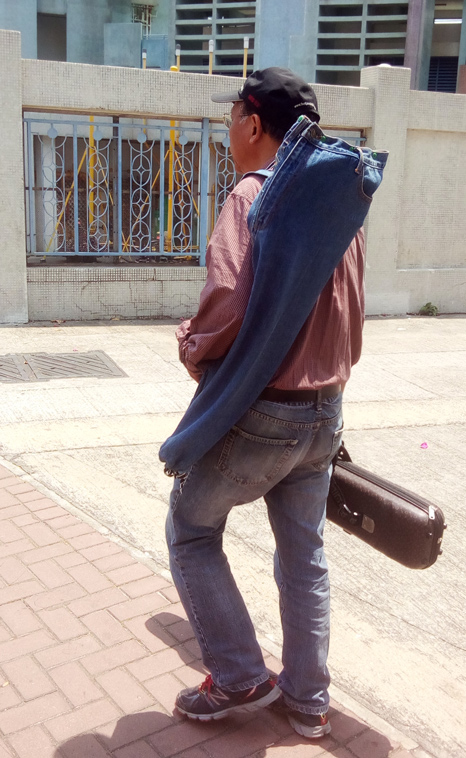
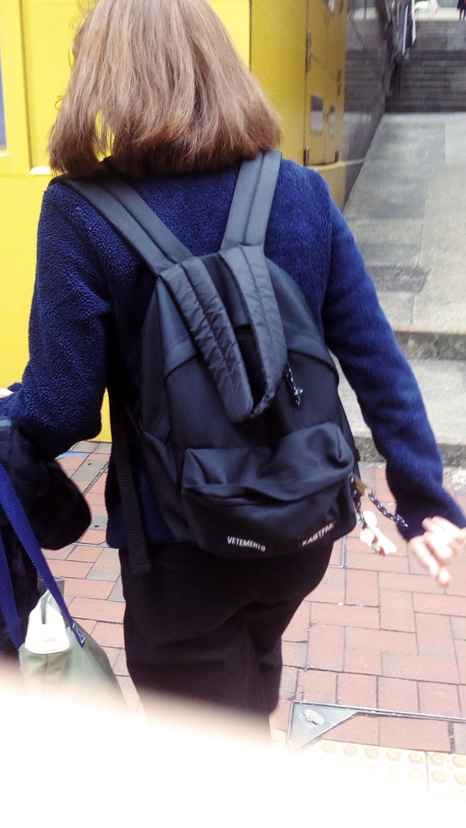
you avoid nostalgia
「没开始我就开始抗拒ã€
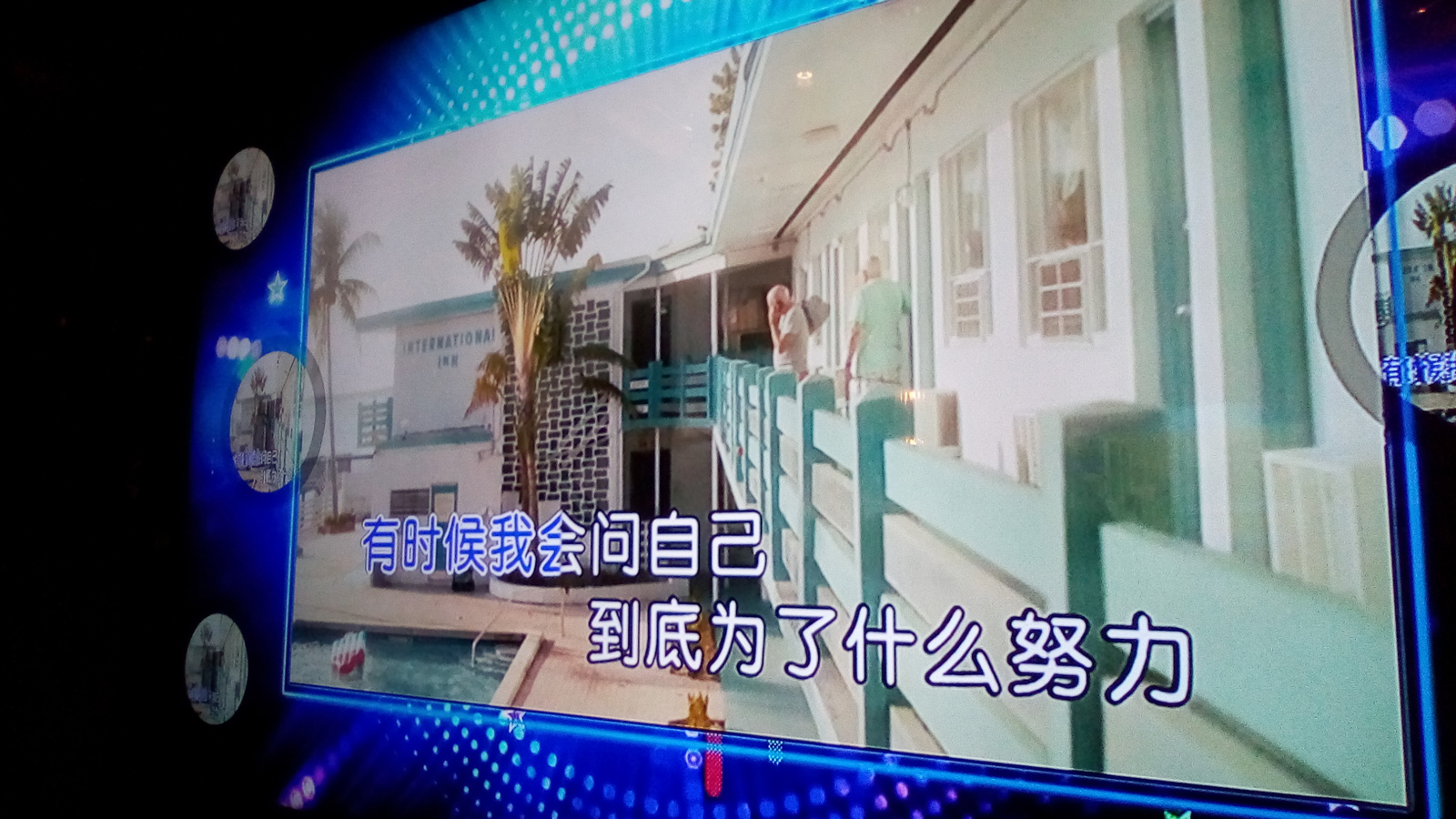
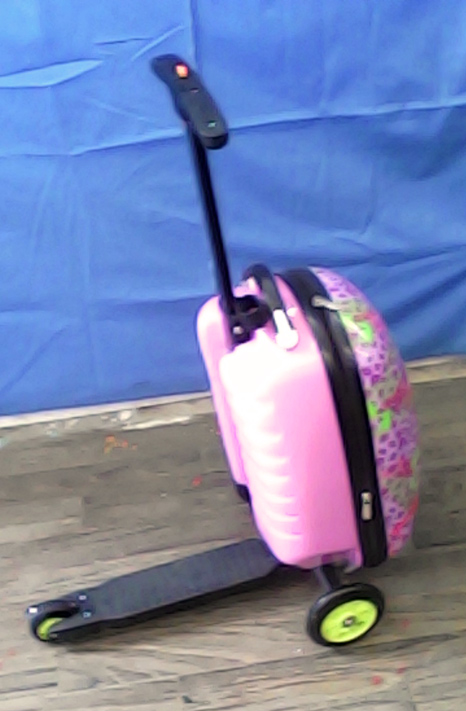
but all these things, you, around
「让我消化抗拒ã€
__
生日快樂 happy birthday,ying
(quotations from cyan,2021年6月5日)
Posted by 丫 | reply »Textual Notes PWSSSRFS…
(there are reasons to think about my body and hygiene these days)
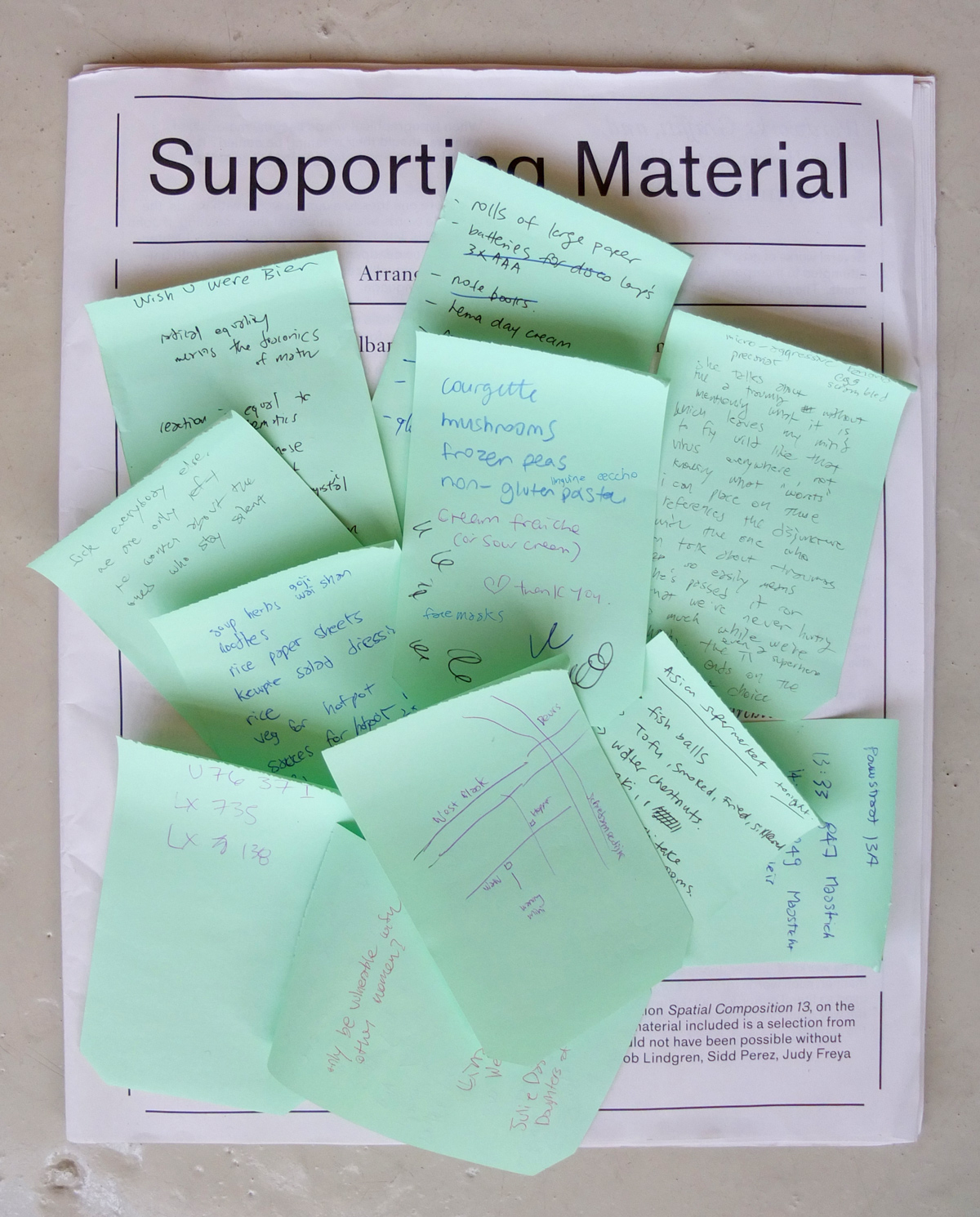
— Notes taken while on residency with Amy Suo WU at Motel Spatie; Arnhem Presikhaaf, 2020 January-February
In the time of that sojourn, a surface wound that stayed the entire time, irritated, flaming and hardened so much that it was narrated from being the oddity of a pimple on my hand to the paranoia of a wart-like abscess. It accompanied me during our conversations like a replacement for the biting of nails which had accompanied me since childhood, the extra psychosomatic conversation with myself to harmonise and discord with any other conversations going on in the room. And we spoke about intersectionality.
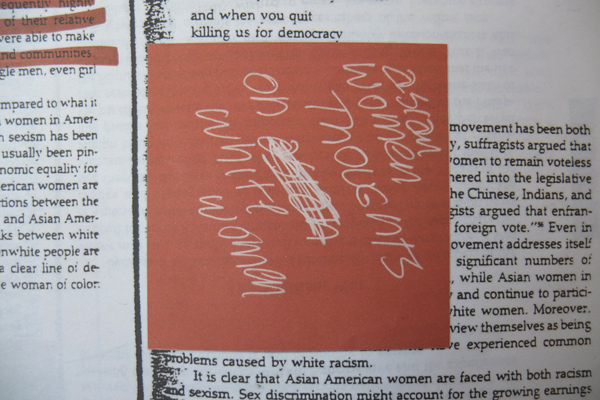
— from “Worlds in Collision: Multicultural Art History (Selection)” by Carlos VILLA, from Supporting Material by Celine CONDORELLI
I picked at it, making it bleed and scab over more than once, wondering if this would be the lifelong marker with which to remember this time. Other people get tattoos for such occasions, but somehow for me bruises, scars and mosquito bites were always enough. Sometimes I liked to think about the tiniest bit of spittle from an insect you never saw being smuggled transnationally, at peak seasons such that your body could carry two nationalities of mosquito saliva at the same time, recognisably different by the radius of red and degree of itch.
It was only a surface. But as my skin-scoring became manic, I remembered one of the first meals we shared together, when we were happy to find a few pairs of disposable chopsticks in the otherwise fork-and-knife-loaded space. A bit too brashly did I rip apart the two sticks and rub their ends together so as to smooth the rough edges in the way that we had learned, and somehow a little bamboo splinter had lodged itself into the meat between the thumb and forefinger of my right hand. This is the pressure point you are supposed to massage in order to release anxieties, and so it was that this residency——initially planned as an artistic labour——unfolded into my body subversively with a small army of histamines hardening a point known as åˆè°· hégÅ, or LI-4. Like a pain to help release pain.
I had been telling everyone that it had been such a difficult year for me, or for most people in my context, rather, but now, when I had limited this sabbatical purposefully to run back into the fire, that heat seemed to flake away into something much more quietly insurrectionary, like the last hibernation before the end of the world. What were we gathering amidst these stories and meetings, me picking self-consciously at a surface wound on the back of my hand and scheming in those vague ways afforded by poetry? Would it be possible to be productive about this care in letting go, somewhere in between concern and a manic extraction of the conversation one has with oneself, parasiting off of the glimmers of knowledge and joy and jealousy of these people around me. So many intensities.
— “Witch-hunt: gossip has always been a secret language of friendship and resistance between women”, Hannah BLACK
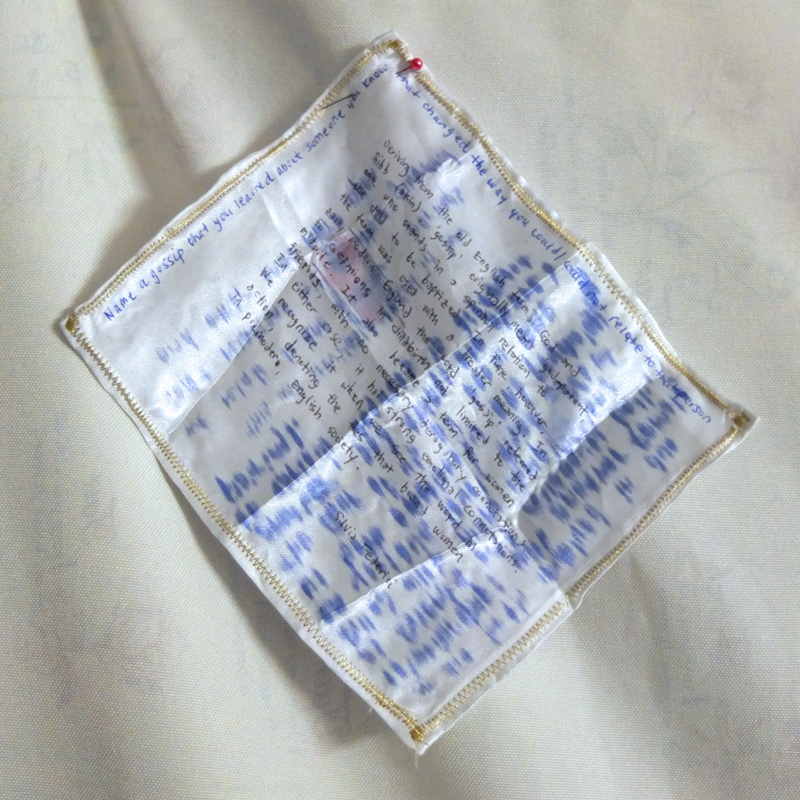
In many parts of the world, women have historically been seen as the weaver of memory——those who keep alive the voices of the past and the histories of the communities, who transmit them to the future generations and, in so doing, create a collective identity and profound sense of cohesion. There are also those who hand down acquired knowledges and wisdoms——concerning medical remedies, the problems of the heart, and the understanding of human behaviour, starting with that of men. Labelling all this production of knowledge ‘gossip’ is part of the degradation of women——it is a continuation of the demonologist’s construction of the stereotypical women as prone to malignity, envious of other people’s wealth and power, and ready to lend an ear to the Devil. It is in this way that women have been silenced and to this day excluded from many places where decisions are taken, deprived of the possibility of defining their own experiences, and forced to cope with men’s misogynous or ldealised portraits of them. But we are regaining our knowledge. As a woman recently put it in a meeting on the meaning of witchcraft, the magic is: “We know that we know”.
— Witches, Witching-hunting and Women, Silvia FEDERICI
Among you, it becomes difficult to compare all that has been said to all that has not been said. All of these conversations. And these words are a conversation with those conversations, if not simply out of a question of translation but out of the need to make space for myself in this constellation of you(s) and me(s). To ascertain, like that book I took from your bookshelf: Feelings are Facts. We(s) would need to meditate through hours and hours of these discourses in order to sift though the medley of feelings that make up this moment, and that is a fact, too. Yes, as the witches say, “We know that we know“.
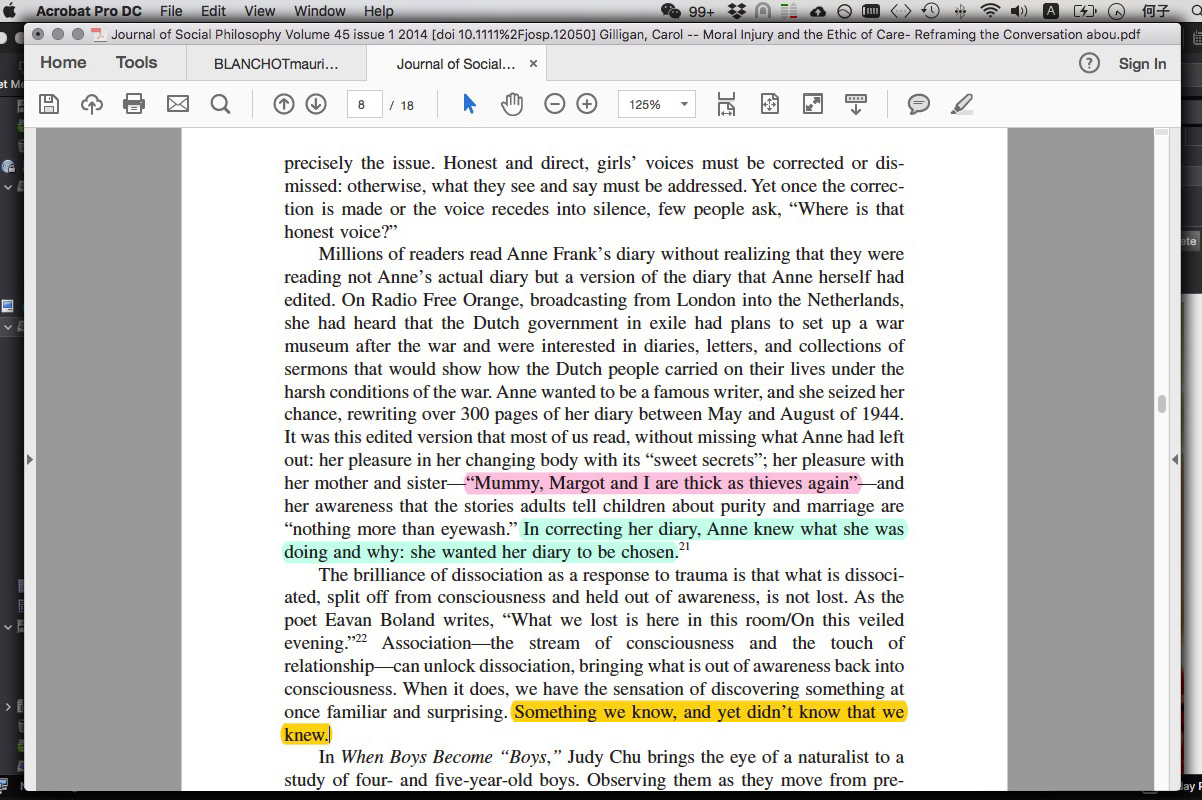
— “Moral Injury and the Ethic of Care: Reframing the Conversation about Differences”, Carol GILLIGAN
And maybe I know too many things. My head is filled with all sorts of banalities like the facial expressions of strangers and the taste of your favourite Grüner Veltliner and the prick of winter mosquitoes. Like the approximate sojourn of a piece of shit that appeared a few days after I arrived. It was the lack of anyone’s care to remove it from the narrow path between our residency room and the project space, making it such that you took the long route around every time, while I forged ahead to play hopscotch. I had the forethought that this dog I never saw had left the natural wastes of its circulating body just like the mosquitoes, and perhaps I should bring other contraband back this time as another memento of my stay. But an uncared-for poop was just a parallel temporary visitor like us to this space motel, and the day before I departed, what were now like hardened coal nubs finally blew away with that strange storm of not very much rain. Perhaps its winds were so great it blew its own rain away, a storm having a frightening conversation with itself. Its utterances came out like screeches and gales that shook the glass of our cove. From inside, we lifted our heads up in awe, and when we went outside we walked at strange angles with our heads down, pretending not to overhear. Buddha was also blown violently away that day, falling off of a neighbour’s balcony and left as an Asian corpse shattered in the white neighbourhood. In the beginning I kept thinking we would have been a strange sight here, our little crew, but actually there was nobody around most of the time, and we were left to play on our own like children at the slumber party. We stole time that way, turning their money and our own productivity into a space for taking care. Even so, I walked on that shit at least once, but you took time, and we cleaned up our tracks together. Self-quarantine, if you want to call it——I gained ten kilogrammes, too——but something else feels lighter because I know we had taken it on together. This takes space and so it was that ‘project ruimte’ was exactly that, not as the space for projects but a project to make space, as a fact of feelings between us——to read together with long pauses in between, to write letters from near and far, and to eat and resist the fallen communality of a shared meal out of one bowl. To be together and trust in someone else’s voice to guide when our eyes are closed.
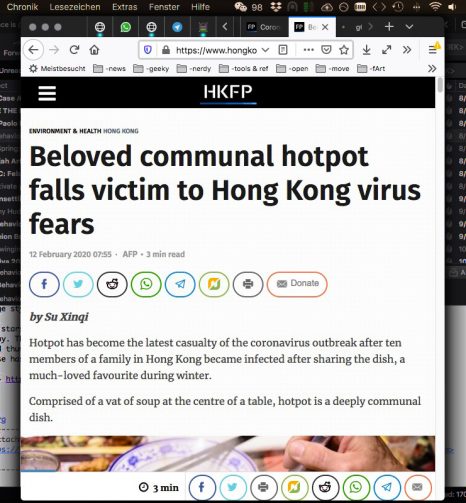
I don’t know yet how to bring this space into visibility. And maybe it doesn’t have to, except as mischievous glances and giggles between those of us who know, and even if you don’t see us you will feel the smiles in our voices in that space behind your ears and in front of your neck——a tingling somewhere between an itch and a tickle to make chords and discords in you, too. Take care.
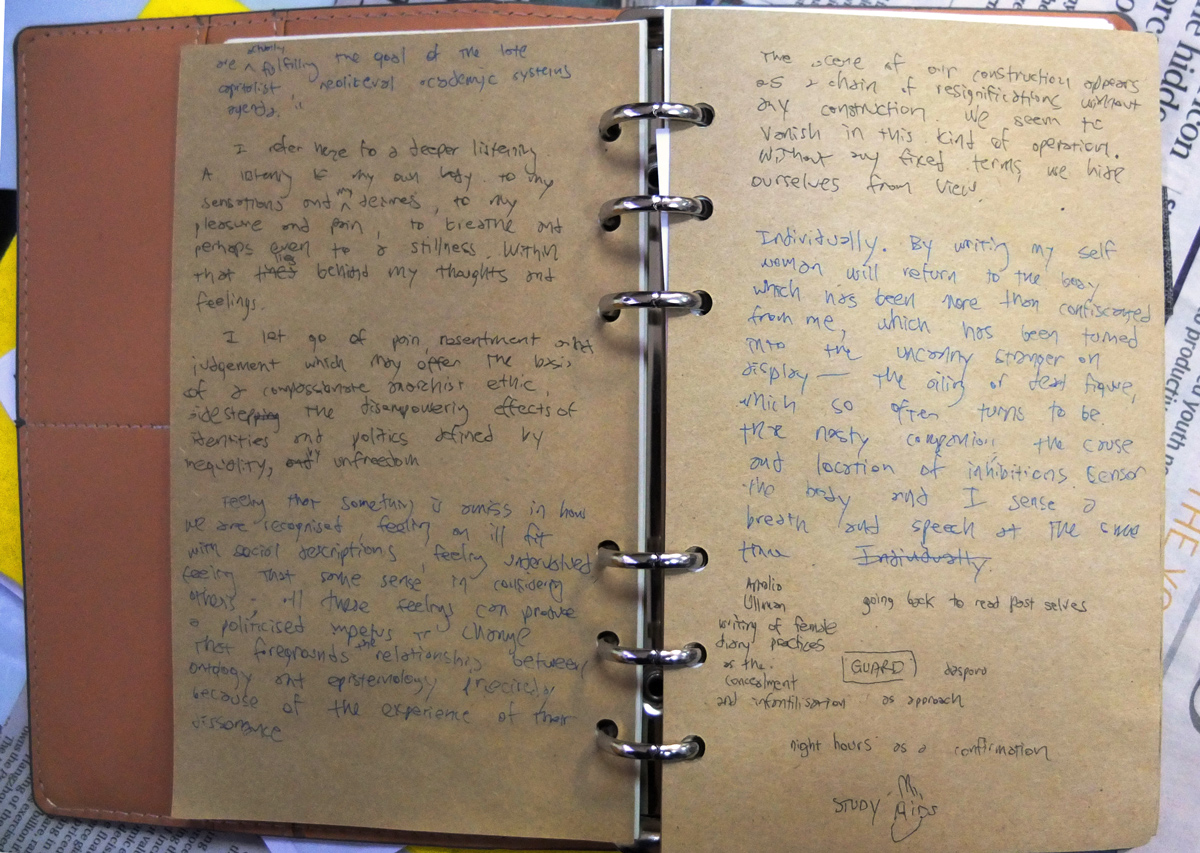
— Altered quotations and notes taken from the afwasdoekje reading group, PWSSSRFS No. 1, 2020 January 25
finding greetings series no. 1 (但願您也在這裡)
excerpt from Radio Corax broadcast 13 August 2018, with Claire Serres
ç„¡èŠçš„風(氣)the wind of boredom ï¼ å¤šå€«å¤š Toronto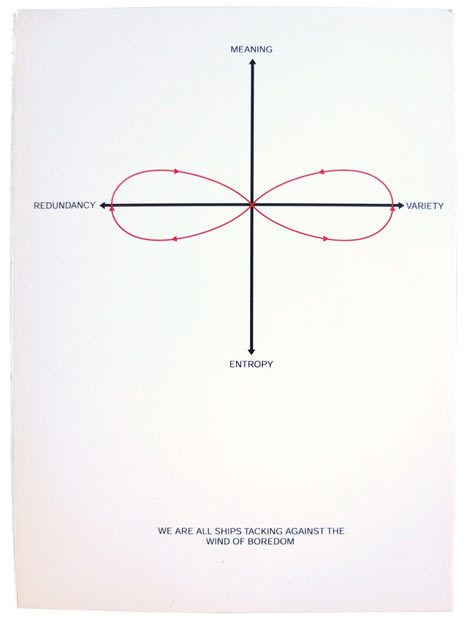
阿姆斯特丹 Amsterdam ï¼ ç¾…ç‰¹ä¸¹ Rotterdam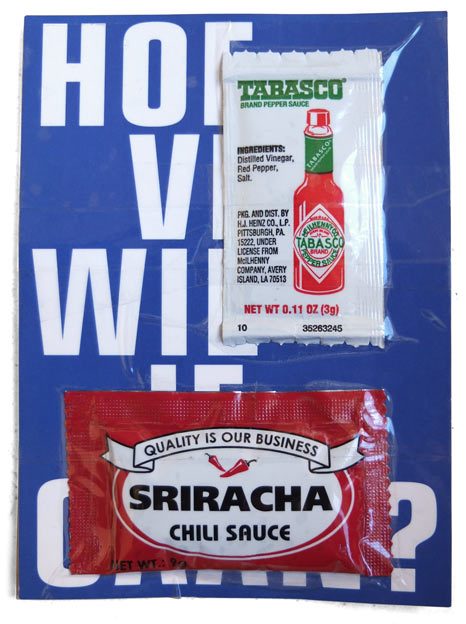
é”拉斯 Dallas ï¼ æ°´ç‰›åŸŽ Buffalo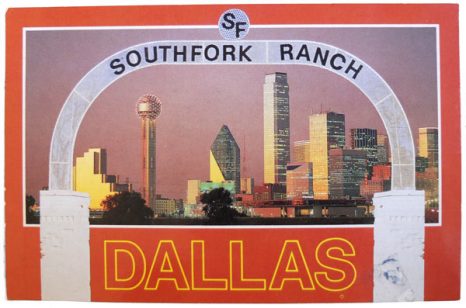 Front gate of the legendary Southfork Ranch, made famous by the Ewing family in the 80s television series Dallas.
巴哈馬群島 Bahamas ï¼ ä¸Šæµ· Shanghai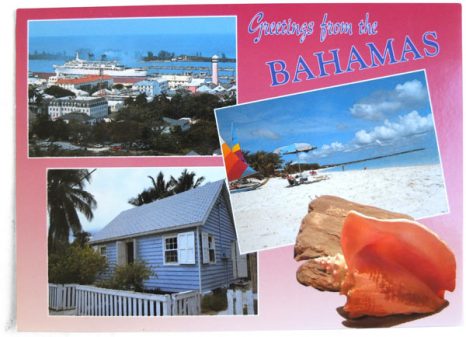
香港 Hong Kong ï¼ æŸæž— Berlin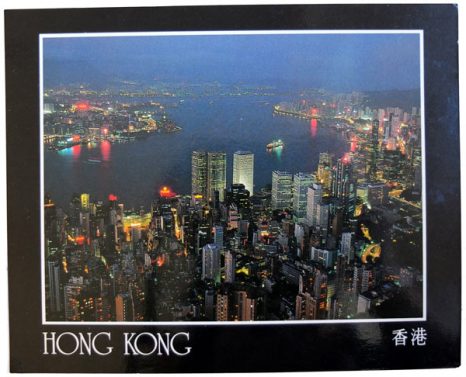 View from the Peak of Central Business District at Night
利比里亞 Liberia ï¼ æ±äº¬ Tokyo Carnival: The Most Popular Cruise Line in the World
阿姆斯特丹 Amsterdam ï¼ çƒç‰¹å‹’支 Utrecht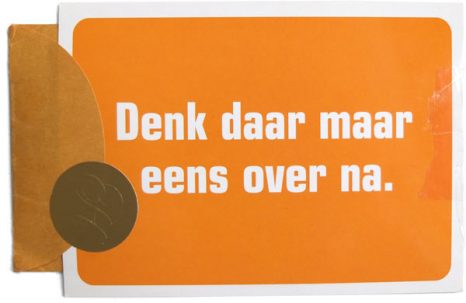
倫敦 London ï¼ çƒç‰¹å‹’支 Utrecht Women’s Barracks (1950)
Cover Artist: Barye Phillips
图ç€æ´› Tupelo ï¼ ä¸Šæµ· Shanghai
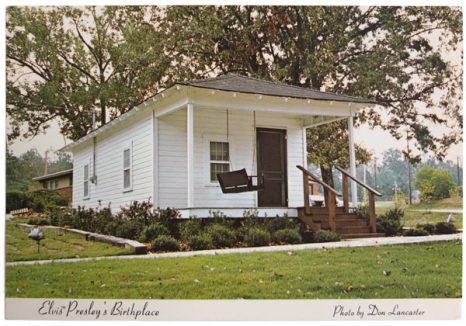 Elvis Presley was born in this house January 8, 1935. The dwelling built by his father, is located in Tupelo, Mississippi, and is open to the public.
æ¨“æ¢¯ç ´æ´ž hole in stairwell ï¼ èˆŠé‡‘å±± San Francisco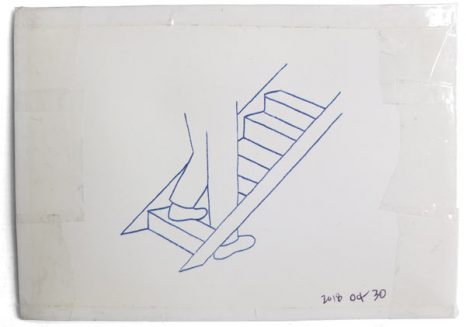
基韋斯特 Key West ï¼ æ ¹ç‰¹ Ghent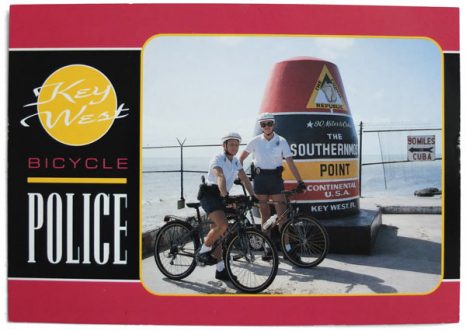 Key West now boasts bicycle policemen. Shown here, at the southernmost point in Key West, are two of them ready to do their duty.
發您的郵編地å€åˆ°ho[at]iwishicoulddescribeittoyoubetter[dot]net ,收來自哪裡哪裡的ç¥ç¦â‹¯â‹¯
Send your postal address to ho[at]iwishicoulddescribeittoyoubetter[dot]net for greetings from somewhere⋯⋯
é”拉斯 Dallas ï¼ æŸæž— Berlinï¼æŸæž— Berlinï¼æµ·ç‰™ Den Haagï¼å¤ªåŽŸ Tai Yuan
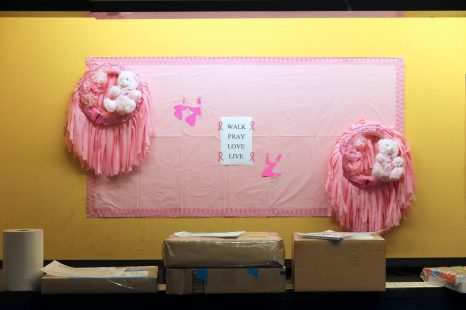 United States Postal Service Dallas, Texas, Preston Royal location, 29 October 2018
wedged in something that has to do with the world
Science went away for some time, but left rusty Technic behind. There was a small key with a black plastic coated head. We unlocked her and rode with her rhythms, though something kept nerves piqued at the same time as familiarity made everything gummy inside. The remembering of being here before, when things were more regular, and this was before you knew Science, when things were simply intuitive. But now your muscles were taut and that thing on the back kept falling off and you didn’t know if it was your doing or not or if we would survive until Science came back.
In the end you left before she did, and your tight outer edges and chewy fillings didn’t know what to do with the small key except, on the way out, wedge it quickly between something that has to do with the world or the universe. Technic was left outside to nature.
It should have been one week, but it was months, months, months. Where on the flattened earth does Science go? You worried for a moment until you forgot. And by the time she came back looking for worlds in universes, you couldn’t quite remember the game either, only that you had been looking downwards, so it must have been about waist height. She played several rounds over a few more weeks, and almost even lost it for a second.
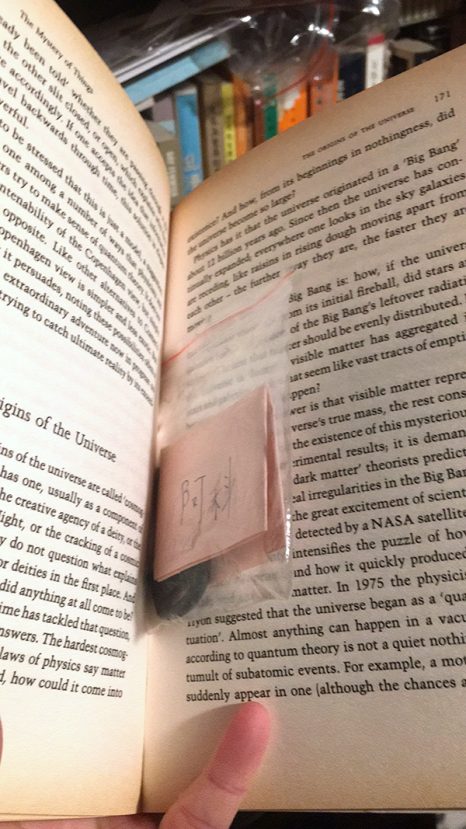
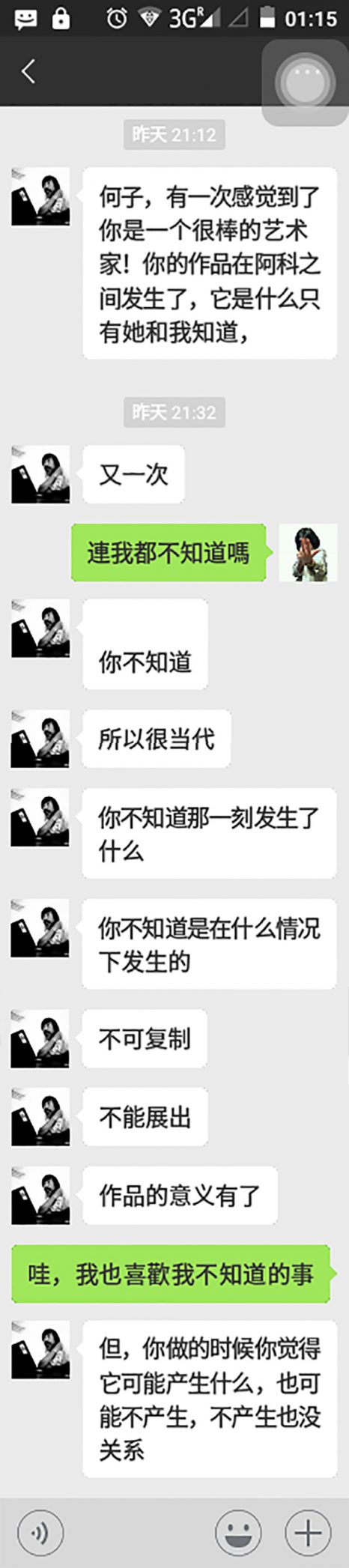 the best review i’ll ever receive
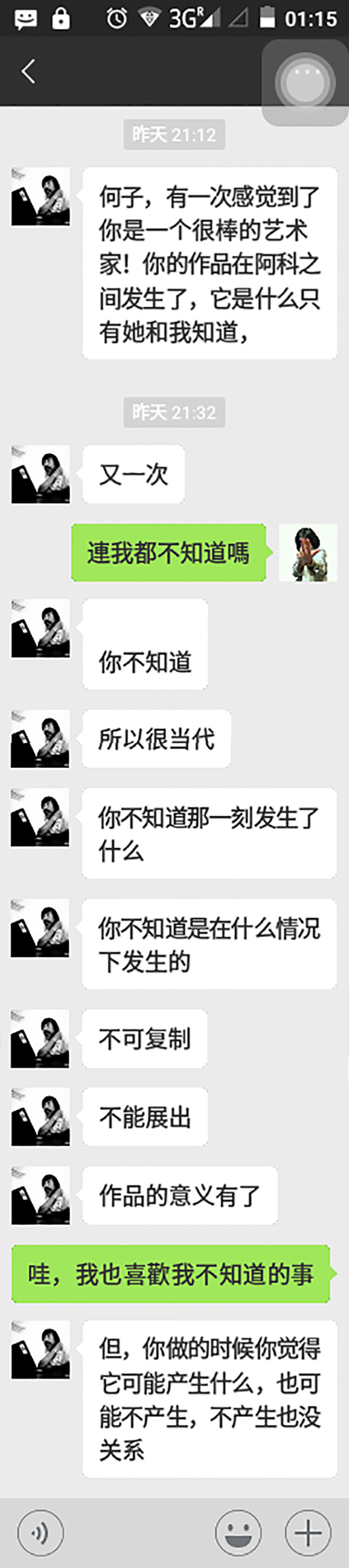
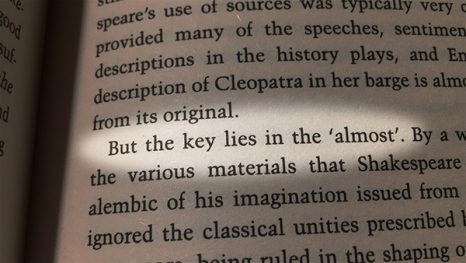 æ”å½± photos // 阿科 a KE
Posted by 丫 | reply »
while waiting for responses
…something broke and something could put it back together
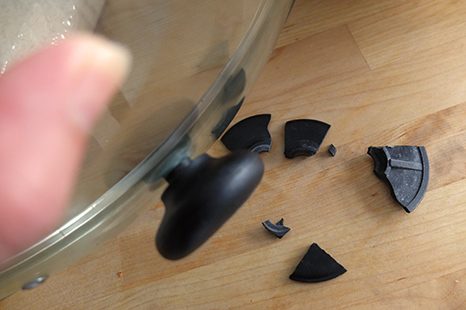 the glass lid of a pot fell to the ground, but only the spacing broke
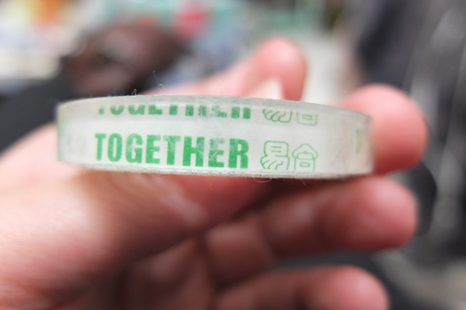
“together” brand adhesive tape
seven days for désiré[e] (don’t pull away)
she called it a challenge in black and white, the days numbered incorrectly, but the rules repeated. seven seven seven seven seven seven seven days, seven seven seven seven seven seven seven photos of your everyday life. no explanation, no people. supposed to challenge a friend to join, so 點, a?
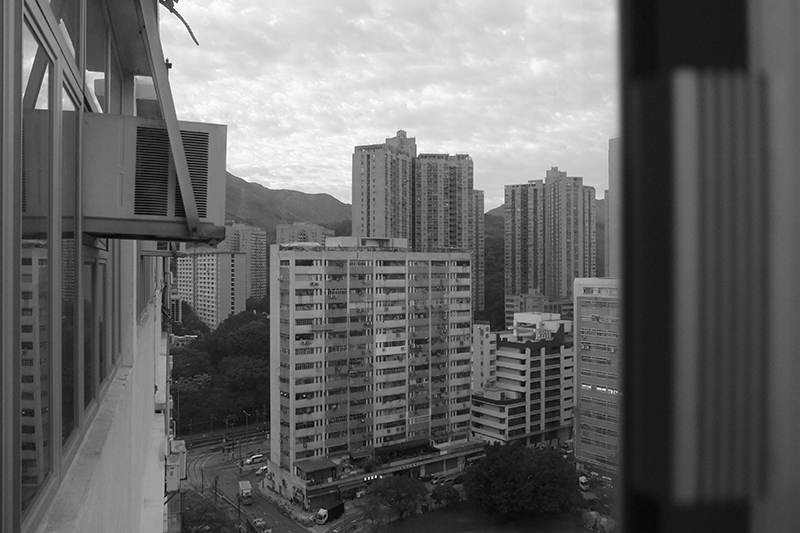
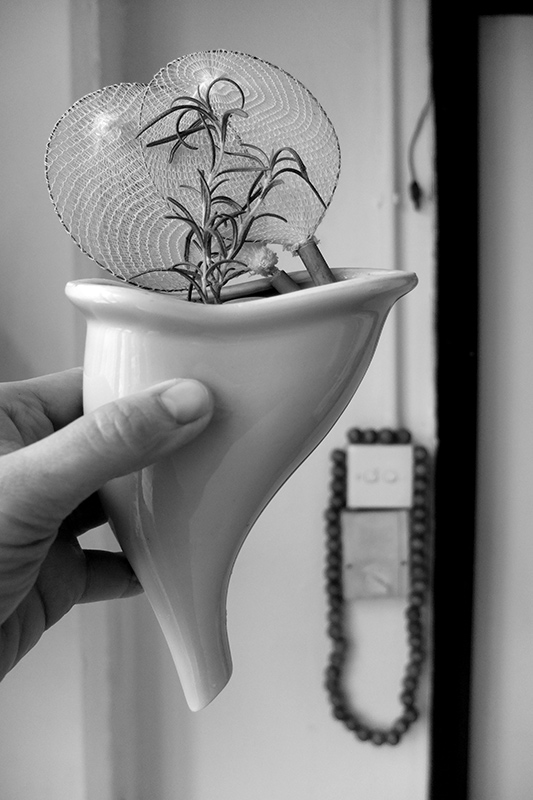
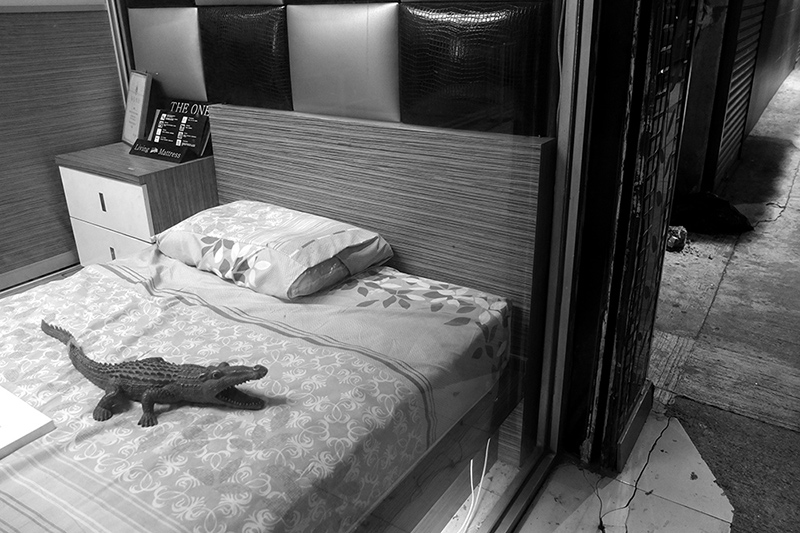
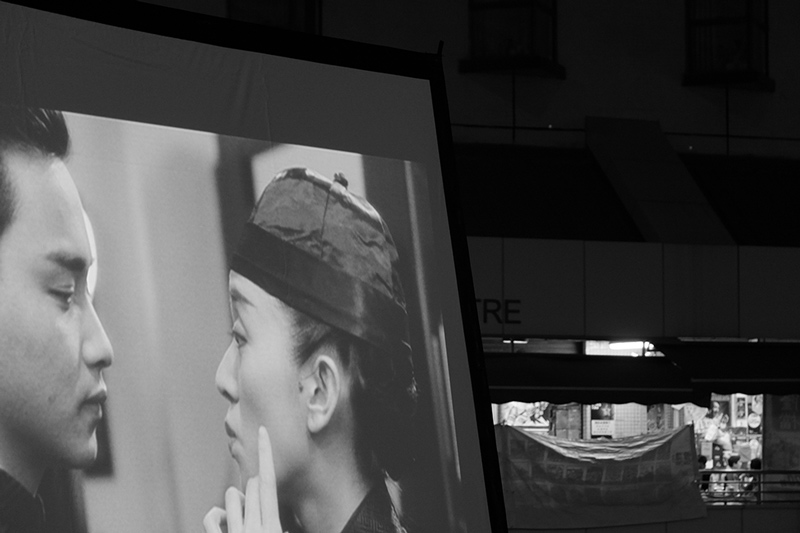
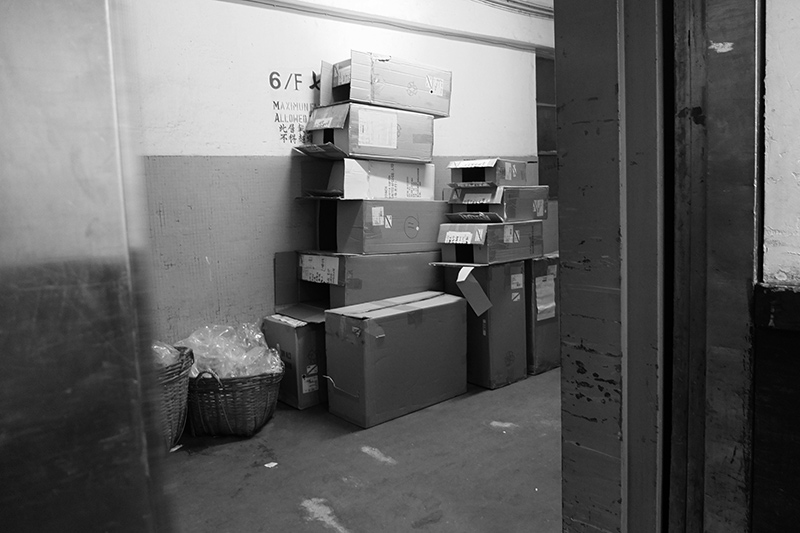
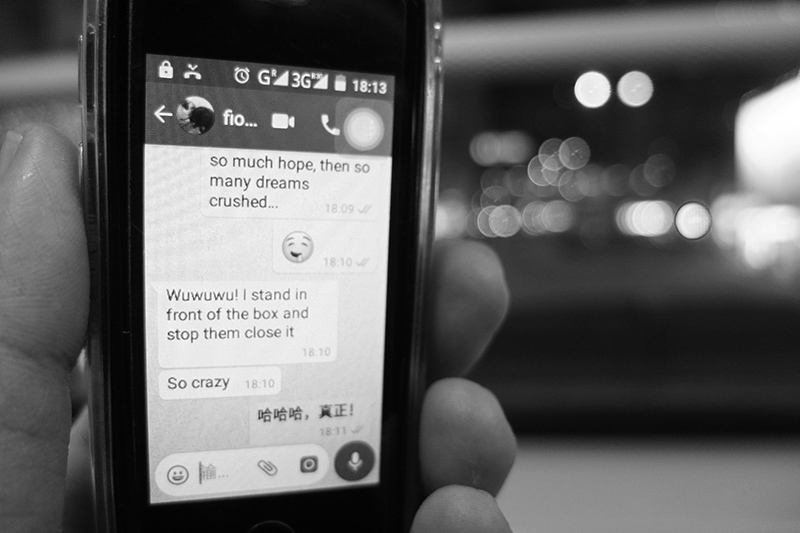
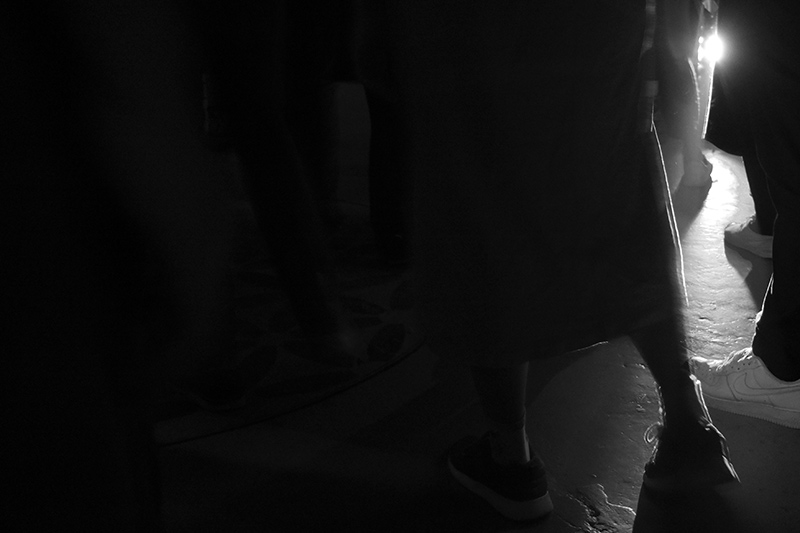
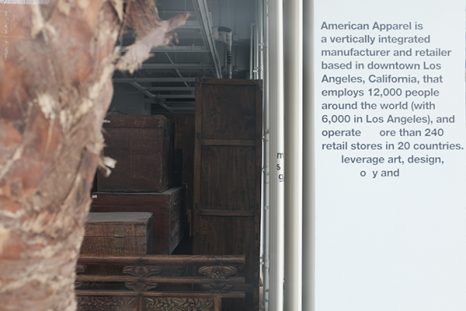
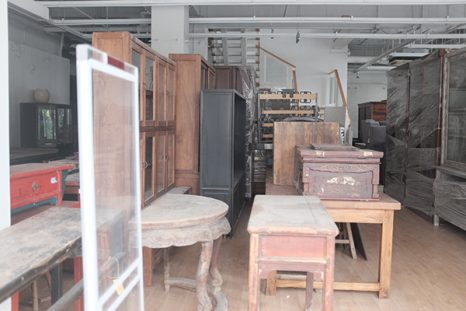
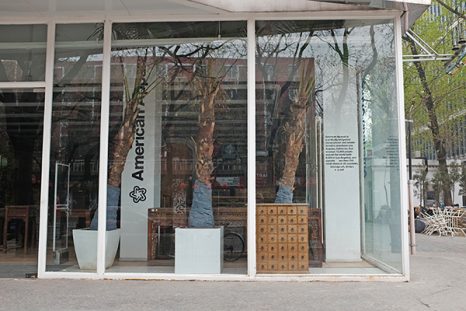
the sum total of five years of cultural exchange or the life-span of an american apparel store in beijing
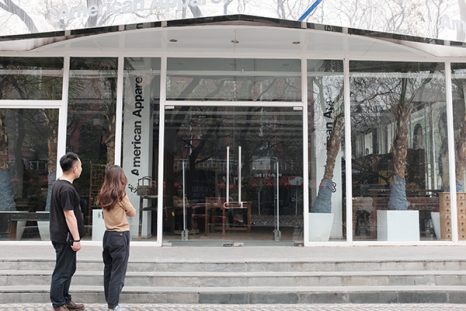
congratulations for your up-cycled changes. it’s official! enjoy what’s to come. what a beautiful switch. all the best for this beautiful adventure and thanks for all your input. we don’t know each other well, but I think you meant a lot to them. and seeking new challenges is good (I’m not so good at that). working in the heart of culture, i’m sure you will thrive. sad you are leaving but it’s good that you were able to do so many good things. good luck with future projects. congratulations. i’m sure we’ll see each other. congratulation on your new challenge. if you ever pass through vienna, i would be glad to meet you again. how are you! it is really a surprise to hear that you left! but sometimes it is good to change. wish you all the success in your new work! :-) all the best for your new job. you’re staying in the city? thanks for this email! how exciting that you are off on new adventures! wish you all the best. it was always a pleasure to work with you. wishing you all the best with your new job and who knows it might bring you to qingdao one day. congratulations. the bullet is through the church, beautiful. good message. speak soon. (well, since i said that you probably don’t want to, but anyhow i had to). though if you really take that job, i’d find it a big step down, what a pity… hope to see you, i think i will be in asia until june. great news! good luck with your new challenge. thanks for your support the past years. keep in touch and see you around. we may have never really interacted that much, but i know you for a long time. it is very sweet to receive this email of yours, and glad you are moving on to a new adventure. hope you can keep me posted of your projects. in whatever cases, i always feel content and happy that our encounter can still last in beijing, where clearly a lot of comes and goes happen in a way that emotional connection can be so shifty, big hug and congrats to you and j. wish you all the best. congrats with your new uptake! was always a joy to work with you. wow, new position sounds good! it was always great and inspiring to work with you! keep me posted, best of luck and till soon! thanks for your mail but especially also for your work the last few years there far away. it was probably not an easy decision to leave, however the new challenge is a good one, wherein you would again be able to mediate. whatever happens, wishing you success! our grant application went well! thanks to you! good luck! probably see you soon. good luck with the new challenge, whatever it may be. i must say i miss the city a lot myself and hope to come by again soon. i can imagine that even after five years you still want to stay and so take on a new challenge there. i wish you the very best for the future. from my side, many thanks for the pleasant cooperation. wishing you all the best and congratulations with the beautiful job. hopefully see you again in tokyo or beijing. so sorry to see you leaving us, but I’m sure we’ll meet again! lots of success in your new job wherever that may be. and of course many thanks for your contribution and support to our mission. this is the year of big news! life is always more exciting and challenging when you shake the tree. as you may well know, we are still searching for the right partner for our own adventure. if ever you would be open to discussions on this topic, please do let me know. i am sure you well know that they are on a rocky road so maybe if you do in fact decide to stay and go for it it could be very interesting in the short term, but it is not sure at this point how long the venue will continue. there is certainly a lot happening these days in China and especially within the realm of design. looking forward to hearing from you and good luck with the new chapter in lifetime adventure. many congratulations with the job! hopefully we may still see each other in china. well that sounds like a challenging move! good luck and enjoy :-) enjoy your new workplace. wish a lot of success with your new plans. for me it was nice to have met you. the support helped a lot. on the 20th of may my solo exhibition opens in the two cities gallery. you are of course invited. all the best and good luck in your future endeavours!! congratulations on the new job!!! i’ll be back in april and would love to catch up :) i’m sure the new you will also be great at welcoming artists and creative projects. it remains a bizarre thought… good luck today and enjoy it for now. and the new position sounds like it was made for you (but the other thing sounds good tooooo – what’s that??) thanks for your message. no, i didn’t know you were leaving. five years is also a nice term. lots of success with your new job. all the best. i’m really happy for you! wish you all the best and do let me know when you are happen to be in shanghai someday in the near future! much luck, love and success. i admire your steps en we keep in touch, for sure! thanks for all your support and you’re always welcome in jingdezhen, amsterdam or wherever we may meet. it’s truely sad to learn that you’re leaving, however, everyting will come to an end and we have to move on for new adventures. taking this opportunity, i’d like to thank you for all the work you’ve done for us, and for promoting bilateral cultural exchanges and cooperation as well. we wish you every success in your fufure journey. thanks for the news! and good luck with whatever comes next… nice! congratulations and wish you luck with your upcoming engagement! thanks for all the help and see you a next time! with many congratulations and best wishes for your new appointment. p.s. i hope that my health will one day allow me to return to china. i miss everyone dearly! congratulation for your very likely new position. that’s great, good for you! i’m working on a show next door this summer. let’s ketch up. thanks for your kind and touching email! i think it is great news that you will be directing such an insteresting institution. i am sure you will make an amazing work there. you will be most probably getting some news from me in the near future. i wish you the best and good luck in your new position. great news! success with your new challenge. thanks for your support the past years! keep in touch and see you around..:)!   congrats with your new appointment. i had the pleasure of visiting once, and that’s a cool place! it was a pleasure working with you, and we continue to have the opportunity bumping into each other at beijing events! thanks for the cooperation and nice that you’ve found a new place! wishing you all the best! we of course wish you all the best and many thanks for your help and input the past years! it was nice to have such a contact at such a place! hopefully our paths will cross again sometime, keep us posted on nice things! wonderful to read about your new adventure and good that you’ll stay in beijing. i hope to be there again from july 1 for a period of 6 months. i’m sure we’ll run into each other at some point. shortly i’ll write your colleagues discuss how to obtain a visa. i was told that they would write the letter. my host seems not to be officially registered in China. coming wednesday at the chinese school in amsterdam i’ll tell my classmates at the beginners course in chinese something about q, the origin of her name, the collaboration, the differences between us and the book. the day after that new drawings from series will be shown, herewith the card. the series is part one of my new china project on which i want to work further in beijing. thanks for the pleasant collaboration, and lots of success and pleasure with your new steps! nice successor you have ;) lots of success in your new phase of life! perhaps we’ll see each other soon in beijing :) enjoy it there! congratulations! apparently still the place to be? certainly, otherwise you wouldn’t have headed there, haha. i also once too was able to take b. there for a nice lunch with chinese artists, h. and the like, about freedom of speech. was a reasonably good conversation and i gained more respect for b. lots of success with your new job there. i know that t. and his girlfriend j. also started there way back, but more physically there because it didn’t exist there yet. that was in the time that the first and second festival was co-organised by them, long long time ago. did you speak to m. at any point or do you still speak to her? i hope she is okay personally. hope that that didn’t cast a nasty dark shadow over your work although it must be strange to see your direct colleague on the front page of the paper. it even threw me. again, enjoy it there, try to keep your head cool (amongst all the art snobs and italian art phds) and enjoy everything you see and experience. soooo important. perhaps only in retrospect you realize how special everything you experience is. thanks for your message. i had indeed heard some things. i understand your move. from your message i gather that you prefer to stay in china. wish you success and who knows we may see each other again. first of all of course many thanks for your support before, during and after our visit to beijing! very good that you’ll remain in the city and exciting that you (probably if i gather correctly) are going to work there. is it known yet whom the new owners will be? and will p. be your new colleague? in any case: lots of success! a pity to hear you are leaving. but also good to hear that there is an interesting and challenging job waiting for you. i wish you lots of success with that and hopefully we’ll still bump into each other. congratulations with this beautiful job! nice for you. i wish you lots of success and hope it offers you new inspiration. perhaps we’ll see each other? good luck with your departure and the new roads you will embark on. keep me posted. it was great to work with you in 2015. the project wouldn’t have been there without you! keep us posted on developments! seems like a fantastic challenge in light of the changes ahead! good luck! sorry to hear that you are leaving the five-year position. congrats on moving on to the next level! good luck with your next step, give it that or any other better offer! look forward to seeing you again! nice one for j.! thank you for your kind mail and big congratulations on the new adventure! it’s been a pleasure working with you all these years and hopefully we can still collaborate in the future (hat-making workshop as public programme perhaps?! hat-exhibition?)!! in any case, it sounds exciting! they used to sell my more-crazy hats in the gift shop. my contacts were s, a, store manager r. and others. but they may not be there anymore! enjoy the new challenge!!! 5 years is indeed some time. good luck there (if that’s what it became) otherwise at another company!!! if you have any questions, feel free to contact me. look forward to hearing from you. it was a bit of a shock when we received your e-mail. our point of contact is leaving. but when we read on we saw that you are moving on to a beautiful new position. it will take some getting used to in the beginning after 5 years of being engaged in your current work but people should not avoid new challenges in their lives. we want to wholeheartedly thank you for the pleasant cooperation and the support you gave me last year. the cooperation was pleasant and went smoothly and i appreciated very much that you came to visit as well. but also that you informed and encouraged me to participate in this new show this year. thus i handed in the application form and the description of three works. in the information papers i read that the selection would be announced at the end of march. when i hadn’t heard from them by then i wrote a short mail to the organizers asking whether i had been selected or not with regard to the planning of other shows. i received the following reply: “thank you for your attention. we are busy reporting all the materials to the ministry of culture for approval. after that, we will inform all the selected artists about the final list. maybe in mayâ€. kind of funny, the ministry of culture, which gave me an award, now has to give the approval. it remains exciting. again, wishing you success with your new position, also from my husband e. and we hope to meet you again in that city, which we came to love so much. congratulations with your new position. that sounds great! looking forward to meeting you there soon! good luck! it sounds very exciting! thank you for the support you gave us in the past. i hope to meet you soon again there and maybe work together in something else, who knows. wow great news! it will be great for you and you will have another interesting journey ahead, yes stay with us please, breath more air with us as we so need you here :-) stay in touch and let’s catch up sometimes if you’re free. i am much freer nowadays, enjoying the motherhood one more time. how exciting for you! it makes me happy to read your email. i wish you success with your new adventure and i really hope i see you again in not too long. congratulations a., what a loss for them. good luck with your new life choice, can’t wait to hear more. just saw your email. congratulations to your new adventure! it’s cool to see you moving on. let’s stay in touch! congratulation for your new position. wish you beautiful career transforming, cherish and keep touch! big change! have fun and let’s catch up soon! heard it was your last day today. strength to you for saying goodbye and enjoy your new step. lot’s of success with your new challenge! i am just back in the office from a short holiday and saw your email. congratulations!!! happy for you to get on the new adventure. good that you are still there! be in touch! and meet up whenever there is a chance! hi dear, got your e-mail! wish you a great start there! good to hear from you, and what a nice new position! i wish you lots of success with it, and perhaps our paths will cross again, there or elsewhere. may i keep you informed of interesting news or when we may head there again with our summer sessions? this summer we’re going to tokyo, also nice… hi, i wish you the best of luck with the new steps in your career! i’m sure it will be a great adventure… i’m actually in china at the moment, we’re on our way to tibet, but unfortunately will not be able to make it to beijing this year. after tibet we’ll go to hong kong to research job possibilities :-) keep in touch! hi, so nice to hear from you and many congratulations with this great new job! probably wasn’t easy to take this step.very cool! for a moment i thought you wrote you were going to amsterdam, but this sounds much better :-) i still work at the same place but it’s starting to itch to do something abroad. my boyfriend is in oman now for work, it also offers new opportunities. and hopefully back to beijing in future. anyway: lots of fun and success.
love, all.
 .
.
 .
.
|
.
|
rss 2.0 | feedburner | del.icio.us |
|
.
|
this work is licensed under a Creative Commons Attribution-Noncommercial-Share Alike 3.0 License. |
|
.
|
site by orange 程康 and ourwork.is. |
|
.
|
best viewed with your character encoding set to unicode utf-8. |
